OHCHR

A person carrying a bucket full of gum arabic.

A resin that helps bind everything from soft drinks to medicines now at the centre of Sudan’s devastating war economy, according to a new UN Human Rights report. Sudan’s gum arabic trade, long vital to global food, pharmaceutical and cosmetics industries, has become deeply entangled in the country’s conflict. Sudan, which once supplied 70-80% of global crude gum arabic exports, now sees the commodity linked to conflict financing, with armed actors benefiting through territorial control, checkpoints, taxation and smuggling. Farmers and traders face insecurity, restricted movement and disrupted livelihoods, while human rights abuses have been documented in producing areas. The report urges stronger oversight, anti-smuggling measures and heightened human rights due diligence across the supply chain.

From football captains to grassroots activists, voices worldwide are uniting through the Global Alliance for Human Rights to defend dignity, equality, and justice for all.

A person with a disability is seen from a low-angle perspective aboard public transport in an urban setting.

“Growing up, I learned very early that the biggest challenge in my life was not my disability but the barriers… especially in the built environment,” says Esther Nagetey, a youth fellow at the International Disability Alliance from Ghana, reminding us that exclusion is often designed, not inevitable. A new UN Human Rights report shows that inaccessible housing and transport systems exclude millions of persons with disabilities from daily life. Although they make up about one in 15 people globally, they face mobility barriers up to 15 times greater, often due to unaffordable or unavailable services. Accessible infrastructure is not optional but a human right, enabling access to education, work and healthcare. Inclusive design is also cost-effective when built early and helps prevent institutionalization. The report urges governments to invest in barrier-free systems, uphold rights, and build communities that foster independence, dignity and full participation.

A group of people in a conference room during a meeting.

A new UN Human Rights report spotlights rising religious hatred and violence worldwide, impacting Christians, Jews, Muslims and other religious minorities both online and offline. Incidents range from discrimination and harassment to deadly attacks, while biased AI tools may deepen inequalities. Despite this, initiatives such as interfaith dialogue, global declarations and knowledge-sharing platforms show progress. The report urges governments to enforce anti-discrimination laws, leaders to reject divisive rhetoric, and educators to promote “inclusive faith literacy.” It also calls on tech companies to ensure their systems do not fuel hate, stressing collective action to uphold dignity and prevent violence.

 A Lebanese teenager arranging her makeup in a shelter in Beirut.

Fourteen-year-old Maya Sakr sits on a thin mattress in a Beirut school turned shelter, clutching the only thing she carried when bombs fell: a small make-up bag. As her family fled the strikes in the city’s southern suburbs, there was no time for anything else. Now they share a crowded classroom with other displaced families. Her father, weakened by cancer, struggles to access care; her young brother is frightened and confused. At night, echoes of explosions linger. The make-up bag holds more than brushes—it holds Maya’s dream of becoming a make-up artist, and a fragile sense of control in a life overturned by war. Despite it all, Maya says it helps her remember who she is—and who she hopes to become.

Two people hugging each other, with one of them blurred out.

Half a century after armed agents stormed a Rio de Janeiro home and vanished Brazilian congressman Rubens Paiva without a trace, his daughters stepped into a Geneva hearing room carrying fifty‑five years of silence, grief and unanswered questions, transforming their family’s long‑suppressed trauma into a public appeal before the UN Committee on Enforced Disappearances, echoing the campaign call to put victims first and demand urgent global action as families worldwide continue to suffer without truth, justice or accountability.

UN Human Rights launches the 5th International Minority Artists Contest: War and Reconciliation. Share creativity, challenge injustice, inspire change, apply today!

An illustration composed of numerous abstract and figurative line drawings in various colors, featuring a collage of interconnected scenes and symbols.

Human rights are our compass in turbulent times, guiding us through uncertainty. UN Human Rights Chief Volker Türk launched the 2025 Human Rights Day campaign, warning that rising inequalities, conflicts, and climate crises threaten fundamental rights. Marking the UN Charter’s 80th anniversary, Türk urged solidarity and advocacy. The “Our Everyday Essentials” campaign seeks to reaffirm the enduring relevance of the Universal Declaration of Human Rights, showing how rights like food, education, and freedom shape daily life. Share your essentials through our online form or on social media using the hashtag #OurEverydayRights.

Close-up portrait of Angela Nguku

Preventable maternal deaths remain a global injustice rooted in gender inequality and systemic failure, with advocates like Angela Nguku urging a human rights-based approach to ensure no woman dies while giving life.

An adult and a child in a classroom or community space.

The Social Forum, an annual gathering organized by the Human Rights Council, facilitates the dialogue among civil society, Member States, and intergovernmental organizations around a yearly theme. The event promotes social cohesion based on the principles of social justice, equity, and solidarity, while addressing the challenges of globalization. In 2025, the Forum (Geneva, 30-31 October) focuses on how education contributes to the respect, promotion, protection, and fulfillment of all human rights for everyone. Follow the Social Forum live on UN web TV.

Danielle Bell explains why documenting human rights in Ukraine’s conflict is crucial for justice and accountability amid ongoing violence.

A group of indigenous people at a protest rally.

From the Amazon to the Arctic, Joenia Wapichana and Sara Olsvig are demanding that the shift to sustainable energy respect Indigenous rights, knowledge, and self-determination.

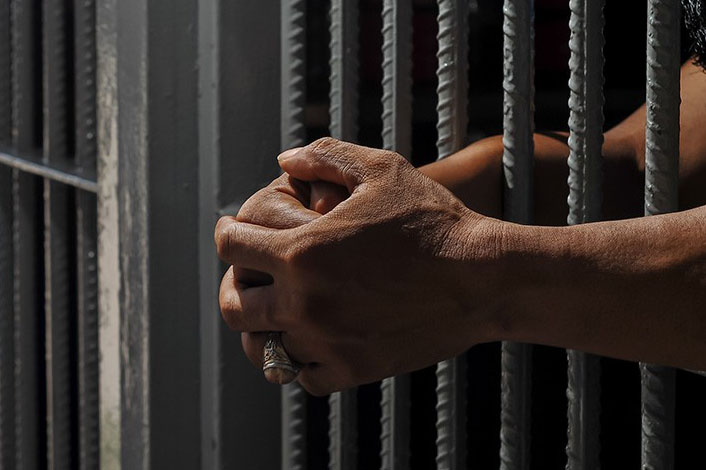
A pair of hands behind bars.

Global experts and formerly incarcerated individuals emphasize that successful reintegration after prison requires addressing stigma, ensuring access to basic rights, and treating support not as charity, but as a fundamental human right.

A group of youth.

As the Second International Decade for People of African Descent begins, voices are calling for justice, recognition, and real change through activism, art, and inclusive policy that centers the lived experiences of people of African descent worldwide.

a person holding a child in an outdoor area.

In 2022, women and girls constituted less than 7% of the global prison population. Their number surged 60% since 2000, highlighting gender-based violence in detention.