
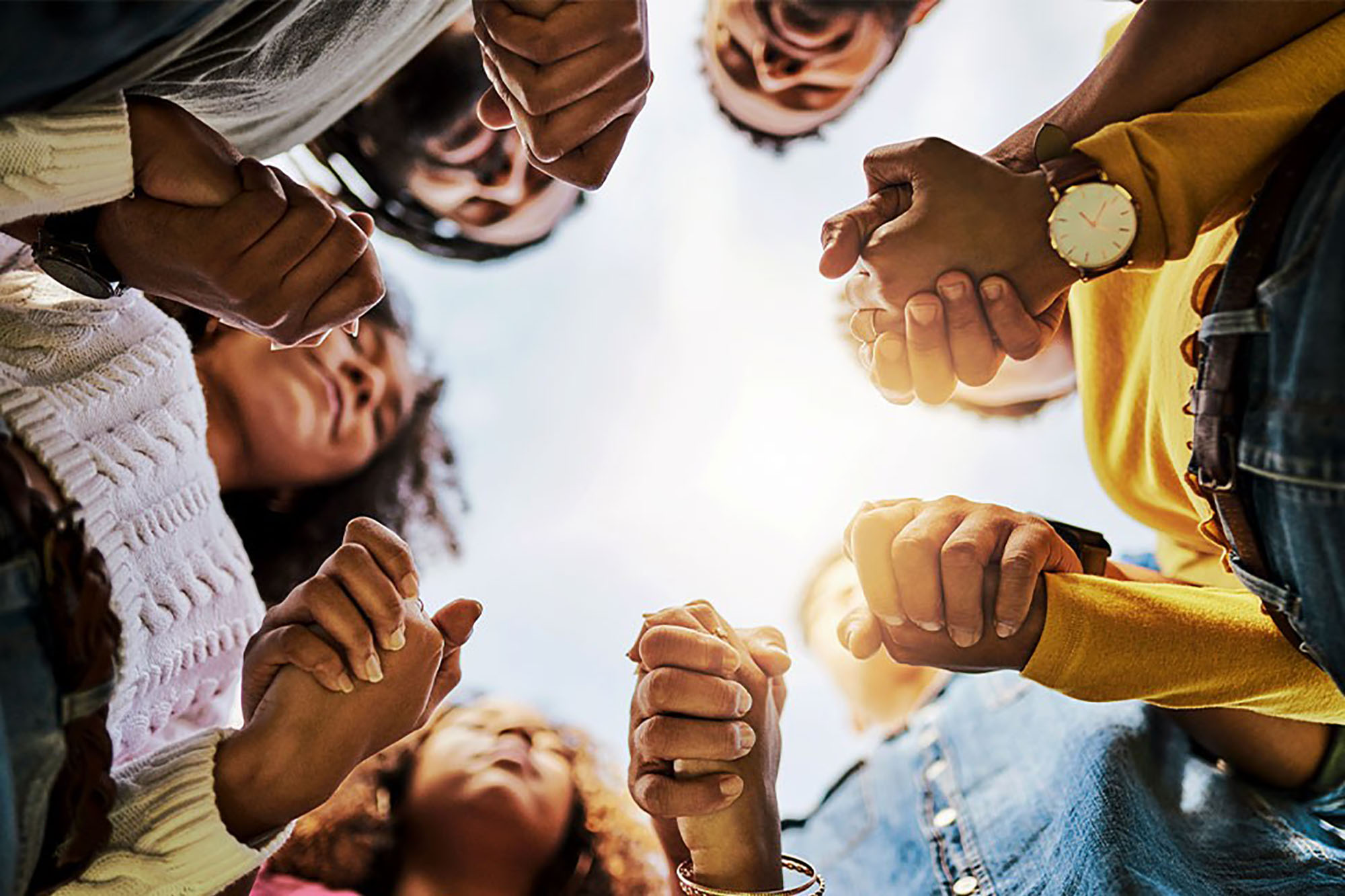
“The so-called War on Drugs has destroyed countless lives and damaged entire communities. These policies are simply not working, and we are failing some of the most vulnerable groups in our societies,” UN Human Rights Chief Volker Türk said at a recent speech on global drug policies. For decades, governments have adopted a largely punitive approach to control narcotic drugs. UN experts say the results have been catastrophic, and cite some of the harmful consequences: Mass incarceration rates, increased drug-related crimes and violence, record numbers of drug-related deaths, growing illegal production of drugs, and stigmatization and discrimination of entire communities. However, positive changes are emerging, as countries like the Philippines, Ghana, Pakistan, and Colombia shift towards drug policies that prioritize public health, dignity, and human rights over punishment.
OHCHR

Sanela Bešić, a Roma woman from Bosnia and Herzegovina, and Irma Velásquez Nimatuj, a K’iche’ Maya woman from Guatemala, were both born into communities facing systemic racism. Despite their differing backgrounds, their experiences with racial discrimination were parallel. Bešić recalls being the only Roma child in her elementary school, facing exclusion and mistreatment, while Velásquez Nimatuj felt out of place in a private school environment, aware of the discrimination around her. The International Day for the Elimination of Racial Discrimination serves as a reminder of the ongoing struggle against racism. Despite progress over the past six decades, racial inequalities continue to affect many lives worldwide.

Hawa Ba, Mauritanian journalist, advocates for women's rights, challenges gender stereotypes, and raises awareness about gender-based violence, collaborating with the Mauritanian Journalists’ Network and UN Human Rights.

UN Human Rights in Mexico supports climate-affected communities, advocating for international standards on housing, food, water, and reparation rights.

The Garifuna are an Afro-Indigenous community in Honduras, numbering between 50,000 and 100,000, primarily relying on fishing and subsistence agriculture. They face historical and structural barriers leading to inequality, discrimination, and rights violations. Despite three favorable rulings from the Inter-American Court of Human Rights regarding the titling of their ancestral lands, corporate land grabs and inadequate enforcement hinder their rights. In February 2024, the Honduran government established a high-level commission (CIANCSI) to facilitate the restitution of ancestral lands for communities like Triunfo de la Cruz. UN Human Rights reports that land-related conflicts contribute to violence, displacement, and food insecurity, with nearly a third of the 308 human rights defenders attacked in 2023 being indigenous or Afro-Honduran.

“When I came here, I saw others, I listened to their stories, and it gave me power to convert weakness into strength,” said Swastika Mali, a Nepalese paralegal and activist at Advocacy Forum Nepal, whose father was disappeared over 20 years ago. Co-organized in Geneva, Switzerland, by the Convention against Enforced Disappearances Initiative, the Committee on Enforced Disappearances (CED), the Working Group on Enforced or Involuntary Disappearances, and UN Human Rights, the first World Congress on Enforced Disappearances united 720 participants from more than 120 countries and 1,392 attendees online. The event, which primarily gathered relatives of the disappeared, provided a platform to share experiences, challenges, and best practices. It also marked a crucial step in shaping a collective path toward justice, truth, reparation, and the prevention of future disappearances.
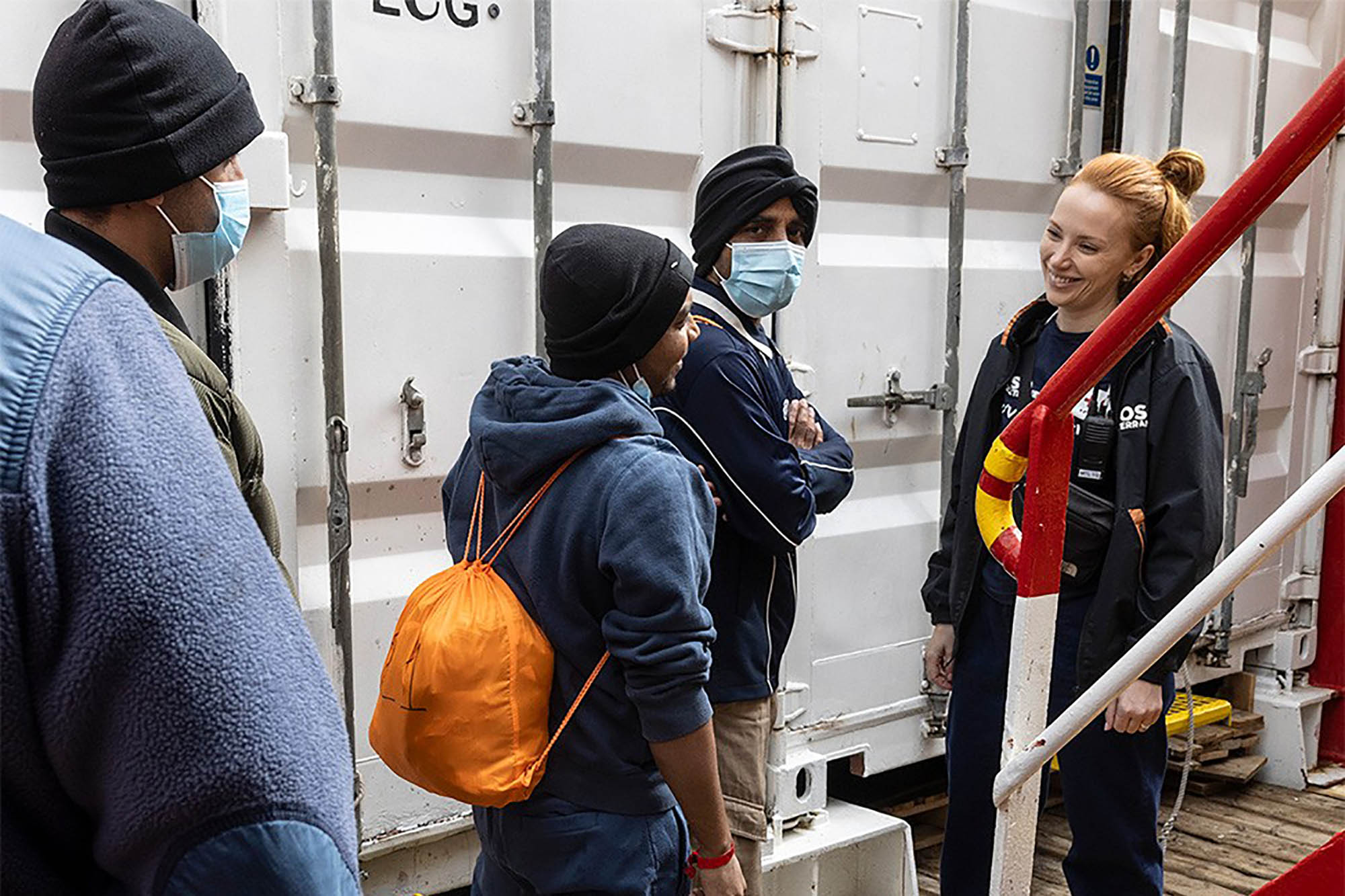
Many migrants and refugees are forced to flee their homes due to complex issues, facing violations of both civil and political rights, such as arbitrary detention and torture, as well as economic and social rights. Discriminatory laws and xenophobia often drive these violations and persist in host countries. The Ocean Viking is a search and rescue vessel for migrants in the Central Mediterranean operated by SOS Méditerranée, a humanitarian organization responding to the shipwreck crisis in the region. Rebecca, a midwife on the Ocean Viking emphasizes that the situation has become so politicized that people on the move are often seen as problems rather than individuals, leading to their dehumanization.
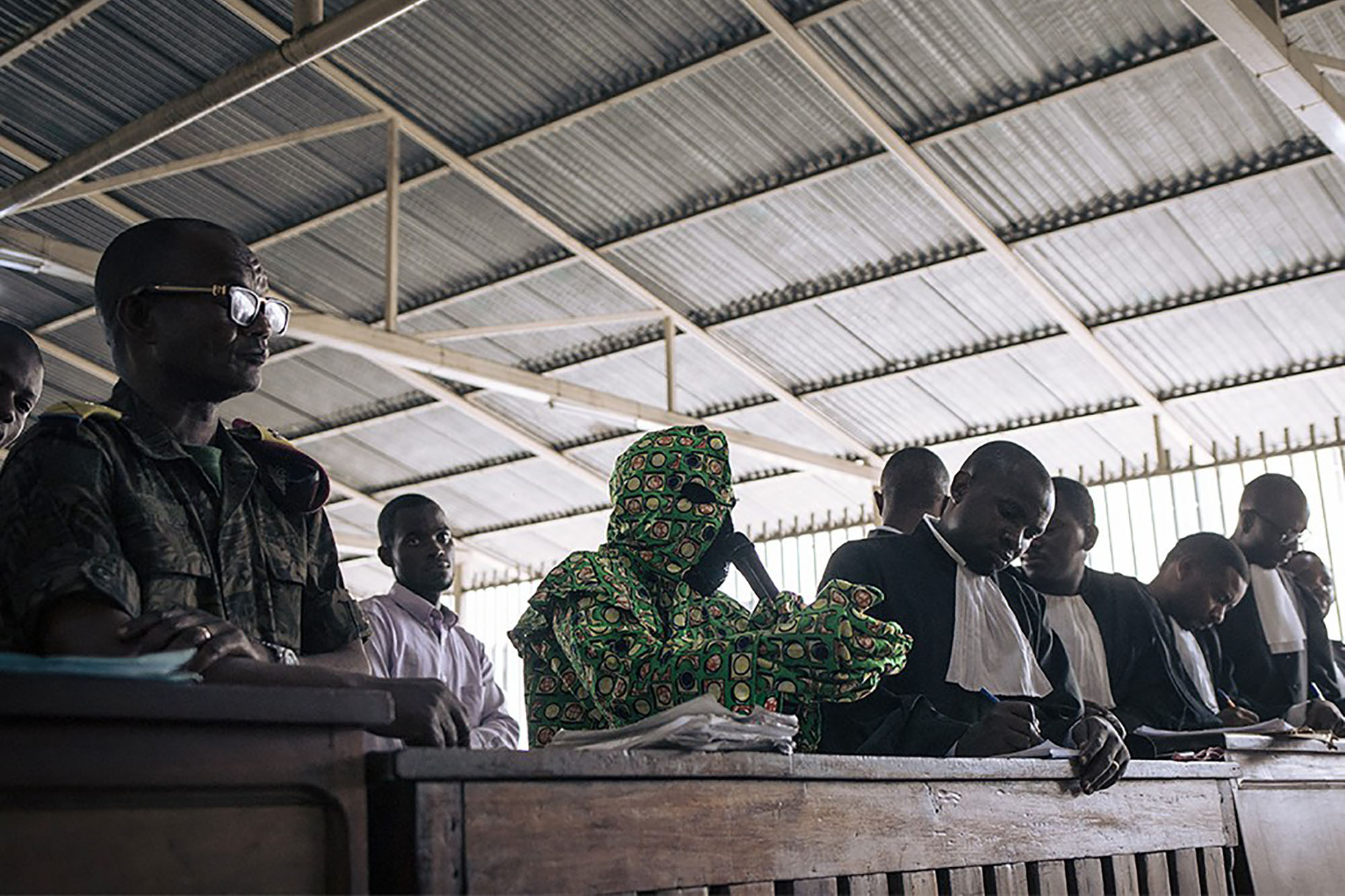
A crowd gathered around a makeshift open-air courtroom in a village in the Democratic Republic of the Congo (DRC), to watch defendants, including feared soldiers, face justice for war crimes and crimes against humanity. This scene has become common in eastern DRC, where mobile court hearings have helped hold perpetrators accountable for human rights violations, particularly sexual violence against women and girls. Supported by the UN Joint Human Rights Office in Congo, mobile courts bring judges, prosecutors, and defense lawyers to remote areas, demonstrating that crimes committed in rural settings can still be prosecuted.

Diana Jalba believes that nothing is impossible and that disabilities shouldn't limit us. At 29, she has cerebral palsy, a neurological disorder that affects her body movements and muscle coordination, but proudly lives independently in her apartment, managing her own life without needing to explain herself. Her main challenge lies in overcoming barriers to enjoy her rights. Recently, Jalba completed an internship with UN Human Rights Moldova, which promotes the inclusion of marginalized groups facing discrimination. Through this program, she gained valuable skills and experience while working with mentors. She also takes pride in her work as a translator from home.

During the COVID-19 pandemic, Shanley Clémot McLaren and fellow activists launched #StopFisha to combat cybersexism and online harassment, which surged with the rise of social media use. The platform tracks and reports abusive accounts, provides legal and psychological support, and advocates for stronger policies. With the rise of technologies like AI and deepfakes, the issue has become more pressing, particularly for women and girls, who are disproportionately affected by online gender-based violence. #StopFisha's efforts are part of a global movement calling for stricter regulation and greater accountability to protect women's digital rights.
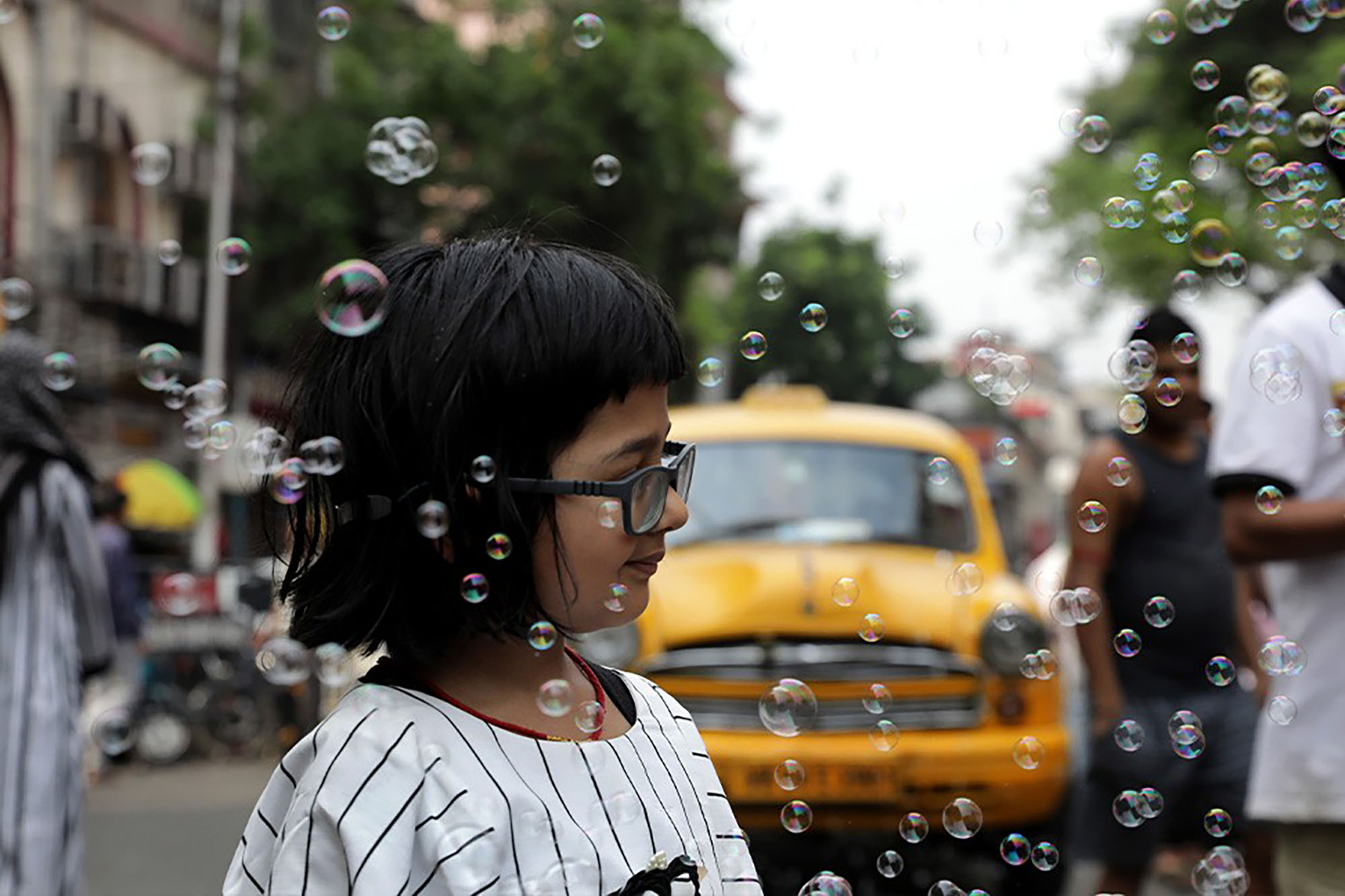
A typical day for Priya, 17, and Rani, 18, in Kolkata, India, begins early with the sounds of bustling streets. They clear their sleeping spots, which are protected by plastic sheets. Both girls study in Class 11 at different schools and spend their afternoons with friends, watching over their younger siblings while playing in the street. Despite the challenges faced by street-connected children, Priya and Rani attend private schools, funded by their families and a supporting NGO. They share their education with peers who lack access to schooling. The Child in Need Institute (CINI) has empowered them to be leaders, naming them "Street Champions." They advocate for children's rights in their community and beyond.
In celebration of Human Rights Day 2024, UN Human Rights Chief Volker Türk, emphasizes that human rights are about people and their lives, needs, and aspirations, reminding everyone that they are central to building a better future.
Under the theme “Our rights, our future, right now,” this year’s campaign highlights how human rights act as a preventive, protective, and transformative force, especially during crises.

Human rights empower individuals and communities to create a better future. By recognizing their importance, we can promote peace, equality, and sustainability. This Human Rights Day (10 December), we emphasize that human rights serve as a crucial preventative and transformative force. This year's theme challenges us to recognize human rights in our daily lives, to take action against hate speech and misinformation, to counter disinformation and to reignite a global movement for human rights. Defending human rights drives social change and helps to create a fairer society. Follow our live coverage!

In June 2017, Indigenous Ñomndaa’ journalist Marcela de Jesus Natalia was shot three times by a gunman outside her radio station. Initially presumed dead, she survived and, with support from lawyers, advocates, and UN Human Rights, continues to seek justice. Her attack stemmed from her efforts to inform Indigenous Peoples about their rights, notably regarding education, justice, and violence against women, creating a climate of fear for media workers. “I didn't think he wanted to kill me,” she said. “I turned around. The first bullet went to my forehead. I put my hand up, [and] the bullet went in and came out. The second one shattered my jaw. Then this guy held me, dragged me, gave me a final shot in my head and laid me on the pavement.”

Water should be managed as a common good accessible to all, rather than as a market commodity, says the Special Rapporteur on the human rights to safe drinking water and sanitation. Pedro Arrojo-Agudo, advocates for a human rights-based approach to water management, arguing that access should not depend on an individual’s ability to pay. Arrojo-Agudo highlights water's crucial role in societal cohesion and outlines three priorities for water usage: “water for life,” essential for human dignity; “water in functions of general interest,” vital for society; and “water economy,” used for productive activities. His report offers recommendations for managing water as a common good, including principles of non-deterioration, restoration of polluted ecosystems, cost recovery for services, and cost-effectiveness.