
Nuclear technology and applications contribute to tackling climate change. As the only world forum in the nuclear field, the IAEA continues to contribute to an informed debate on the benefits of nuclear power and applications in the many international events, including COP26, where political leaders, industry, scientists and civil society will discuss the way forward.
IAEA
Nuclear and isotopic techniques can help us to better understand the world we live in. The data IAEA gathers with these techniques can lead to improved, science-based policy making, including in relation to climate change. We can study both land and water systems using various nuclear techniques to evaluate the effects of climate change on the environment. The IAEA uses nuclear science and technology to help countries monitor, mitigate and adapt to climate change. It gives guidance on how to preserve and restore the environment.

The obvious lesson from the pandemic is the lack of global preparedness. The IAEA dedicated its Scientific Forum to investigate how nuclear science can further help the world to prepare for future zoonotic outbreaks.
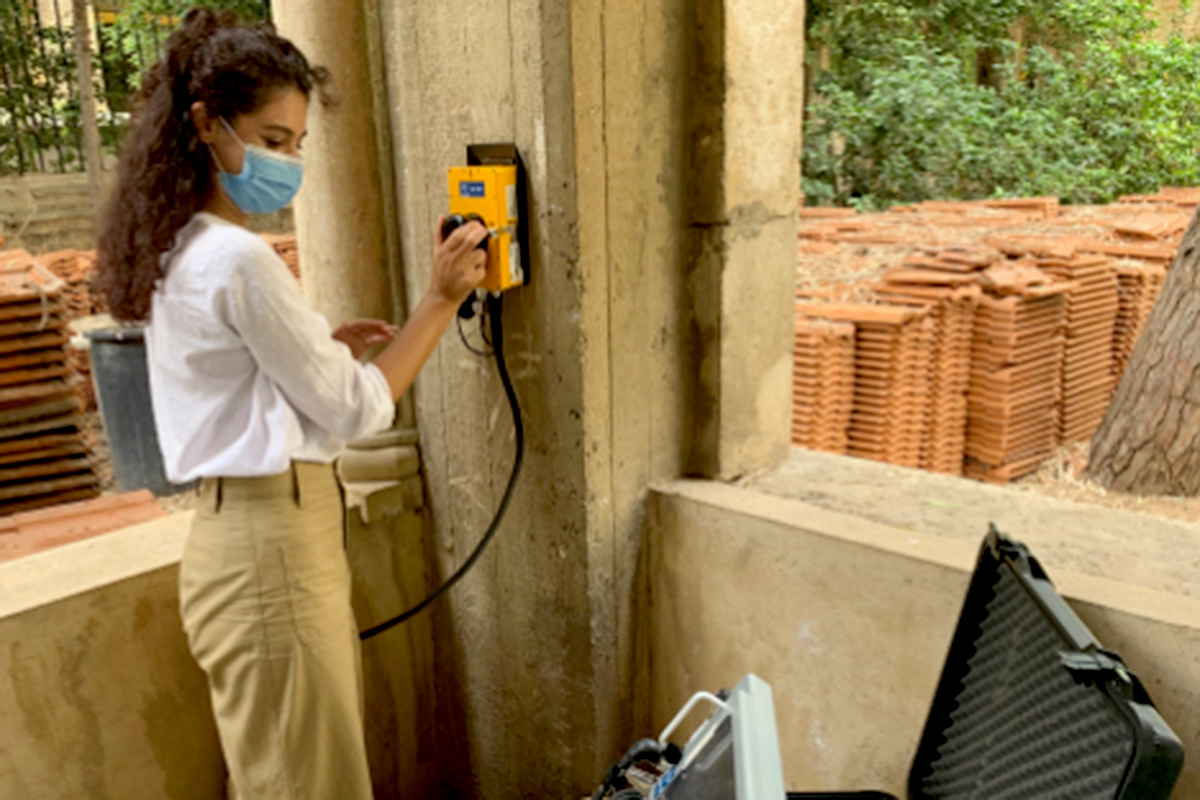
An IAEA team of experts in Lebanon helps examine the integrity of buildings impacted in last year’s port explosion in Beirut. The team is training nationals in conducting non-destructive testing.
Particle accelerators have many applications in medicine, industry and research. These machines accelerate charged particles, such as electrons and protons, to high speeds, sometimes even close to the speed of light.
Zoonotic diseases are infectious diseases that are transmitted from animals to humans, like COVID-19, bird flu, malaria or Ebola. Nuclear-derived techniques can be used to track pathogens as they move from animals to humans to help the world respond better to any future outbreaks.

Scientists in Sri Lanka, through the IAEA’s technical cooperation programme, are now looking to a nuclear technique to enhancing tea plant productivity through increased genetic diversity.

Due to Imposed travel restrictions due to the pandemic, a new set of guidelines provide nuclear power plant operators an additional support tool until IAEA missions can resume.
As the largest ecosystem on the planet, the world’s ocean is a pillar of climate regulation and a powerful source of solutions to the changing climate. IAEA scientists use nuclear and nuclear derived techniques to understand the processes and mechanisms that control the oceans and propose strategies to protect people and the marine environment from the impacts of climate change, pollution, habitat destruction and biodiversity loss.
IAEA reaches agreement with Iran to extend by one month the necessary verification and monitoring activities carried out by the Agency in the country ensuring continuity of knowledge.
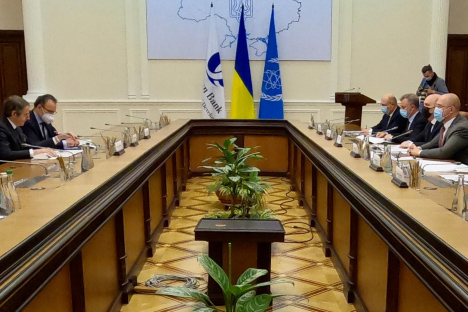
The IAEA and the European Bank for Reconstruction and Development have agreed to continue to work together, and with Ukrainian authorities, towards safe and cost-effective solutions to decommission the Chornobyl Nuclear Power Plant and manage radioactive waste in the Exclusion Zone.
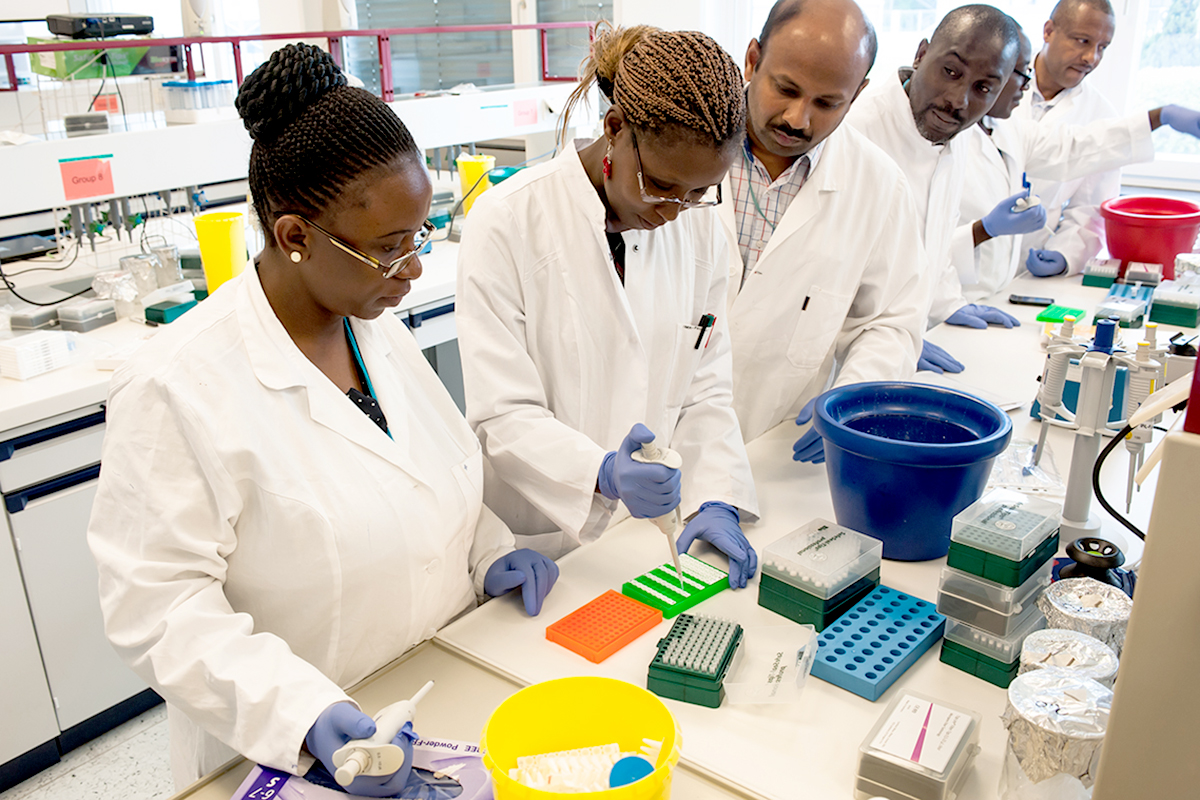
Helping to Tackle the Spread of Zoonotic Diseases
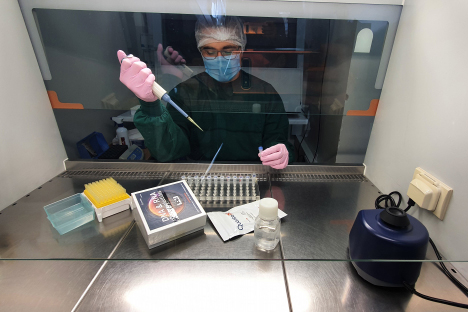
At the request of governments from all over the world, the IAEA has delivered COVID-19 testing support and equipment to 286 laboratories in 128 countries and territories since March 2020 for the rapid and accurate detection of the disease. The IAEA assistance is to help countries boost their use of real time reverse transcription–polymerase chain reaction (RT-PCR) tests – the most accurate and widely used nuclear-derived method to detect specific genetic material from pathogens, including viruses. The COVID-19 assistance is the biggest emergency operation in the IAEA’s history.
On March 2011, Japan’s Fukushima Daiichi nuclear power plant was hit by a powerful earthquake and huge tsunami. What progress has been made in nuclear safety since the accident?
Find out how nuclear science plays a key role in the diagnosis and treatment of cancer, from radiotherapy to radiopharmaceuticals to sterilising medical equipment. Cancer is one of the main causes of death worldwide. 10 million people die each year from cancer and the number is growing.