
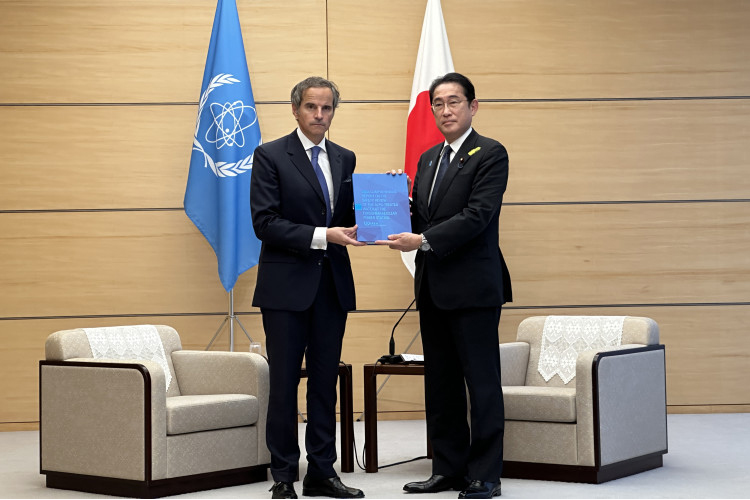
IAEA safety review has concluded that Japan’s plans to release treated water stored at the Fukushima Daiichi nuclear power station into the sea are consistent with IAEA Safety Standards.
IAEA

As AI technologies become increasingly sophisticated, they will transform industries, streamline processes and may even impact how we live our lives including the nuclear sector. AI has shown its potential to benefit people who use nuclear technology for peaceful ends. It will not replace the workforce but rather it will establish resources and insights that will make early detection and response in computer security realistically achievable. IAEA highlights how to adopt AI technologies effectively and proactively by embracing the benefits while addressing its risks.

A recent IAEA Bulletin features the valuable lessons to be learned from completed and ongoing decommissioning projects - the final stage in the lifecycle of any nuclear and radiological facility.
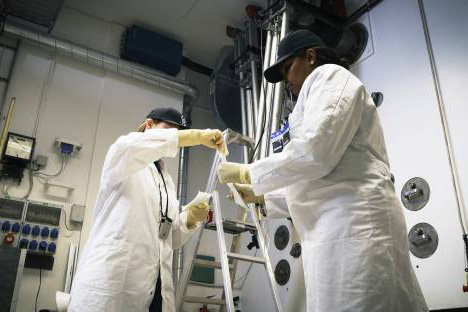
The IAEA brings together experts to verify that nuclear material and technology are only used for peaceful purposes - including the collection and analysis of samples from nuclear and other sites.

Youth around the world are invited to create a paper or digital illustration to portray one of the six main steps of the seeds’ journey to the International Space Station (ISS), and what happens when they arrive back on Earth.
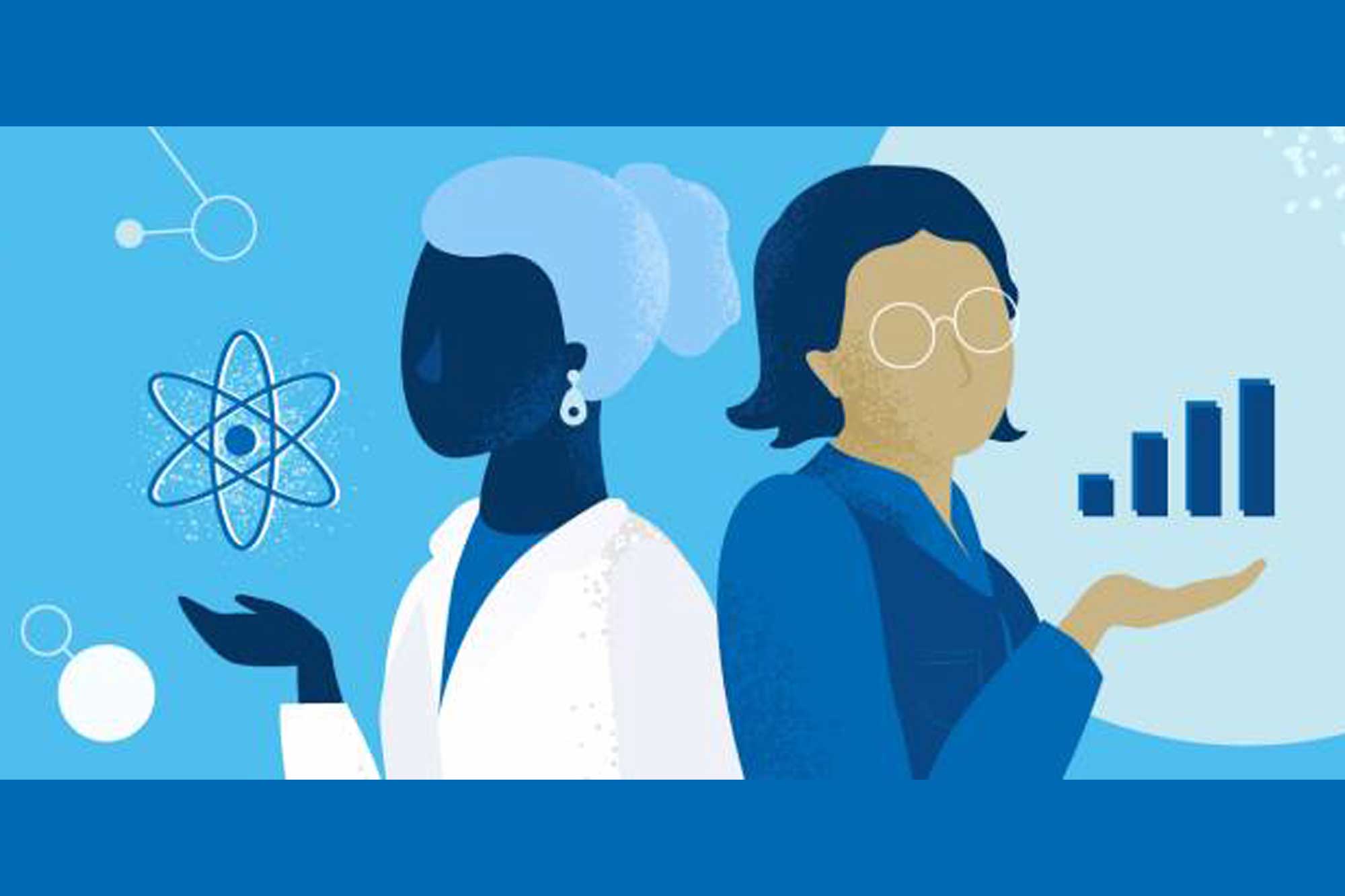
The IAEA launches its new professional development programme to boost women’s careers in the nuclear field: the IAEA Lise Meitner Programme
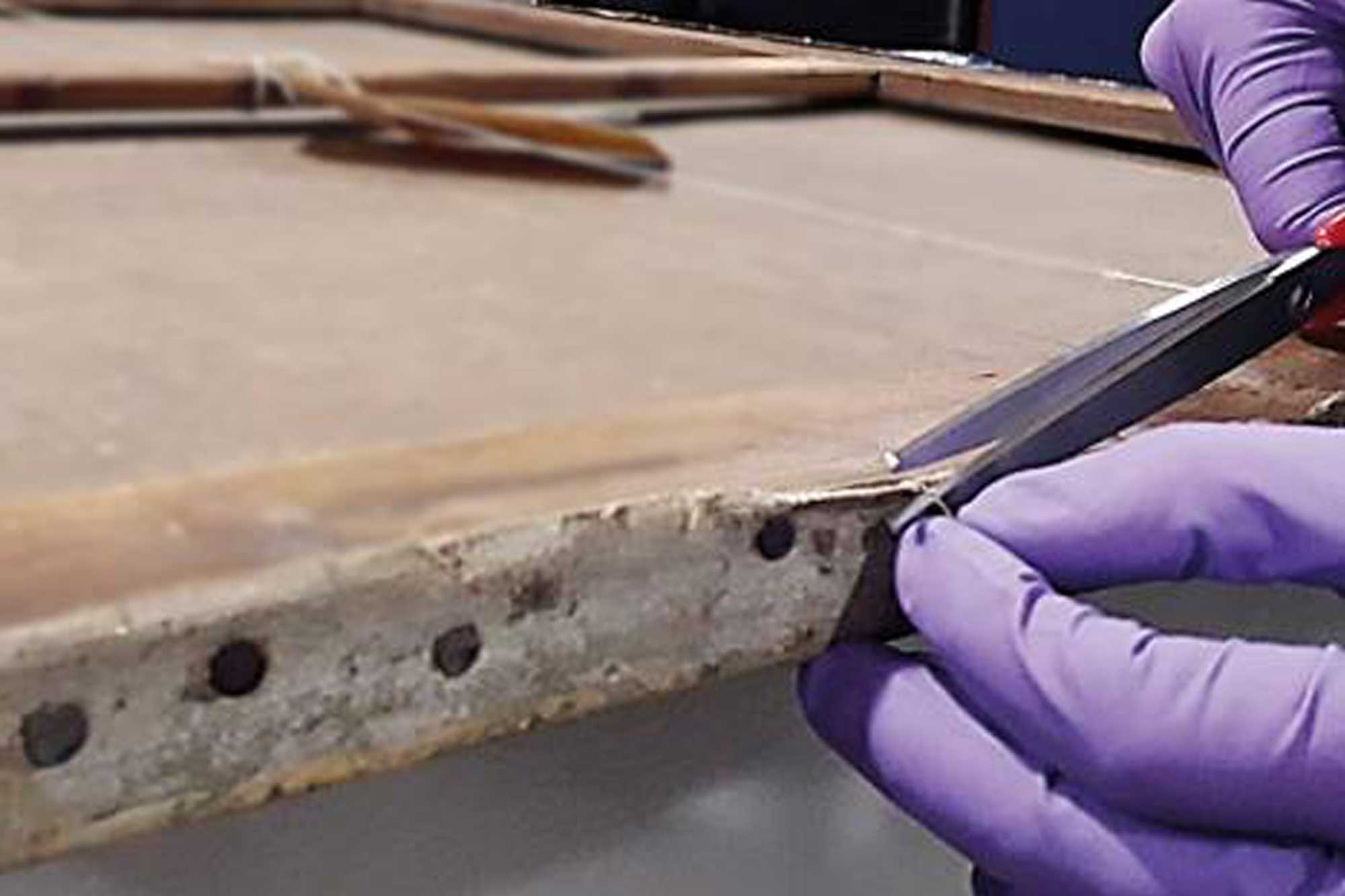
The story behind a painting typically starts with identifying the artist and when the work was produced. Truth be told, there are some allegedly prized paintings that tell a story of criminal deception. Art forgery can be lucrative and often go undetected, but analysis techniques, including radiocarbon dating using accelerator mass spectrometry (AMS), can reveal the fakes.
How? All living things, including a painting’s canvas (made of natural fibres) or frame (made of wood), absorb carbon from the atmosphere, including carbon-14. Carbon-14 is an unstable isotope that decays at a known rate. When plants or animals die, they cease to absorb carbon, and the radioactive carbon already accumulated decays. Thus, the age of material can be determined by the amount of carbon-14 present, using AMS to measure the ratio of carbon isotopes.
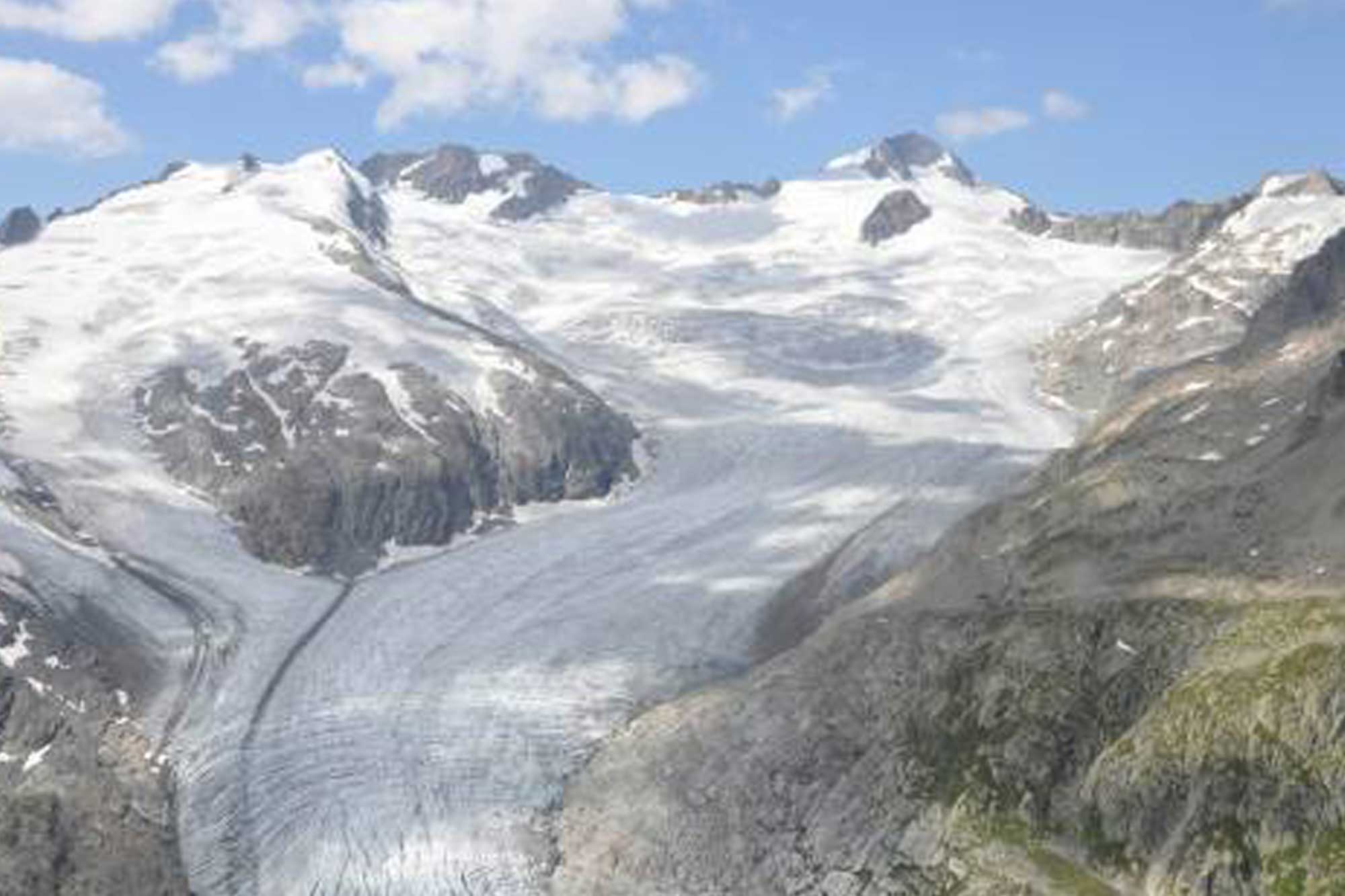
A new nuclear application to predict the future of glaciers offers a more precise method that can help glaciologists more accurately model glaciers’ behaviour and predict their future.
IAEA presents the global nuclear agenda for 2023. Events include a conference to share experiences on improving the effectiveness of nuclear and radiation regulatory systems; the review of the legally binding international treaty to address the safety of nuclear installations and their safe operation in a well-regulated and environmentally sound manner; a forum for scientists and other professionals working in the field of radioisotope and radiopharmaceutical production; as well as the return to Earth of seeds launched into space to be exposed to radiation, among other activities.
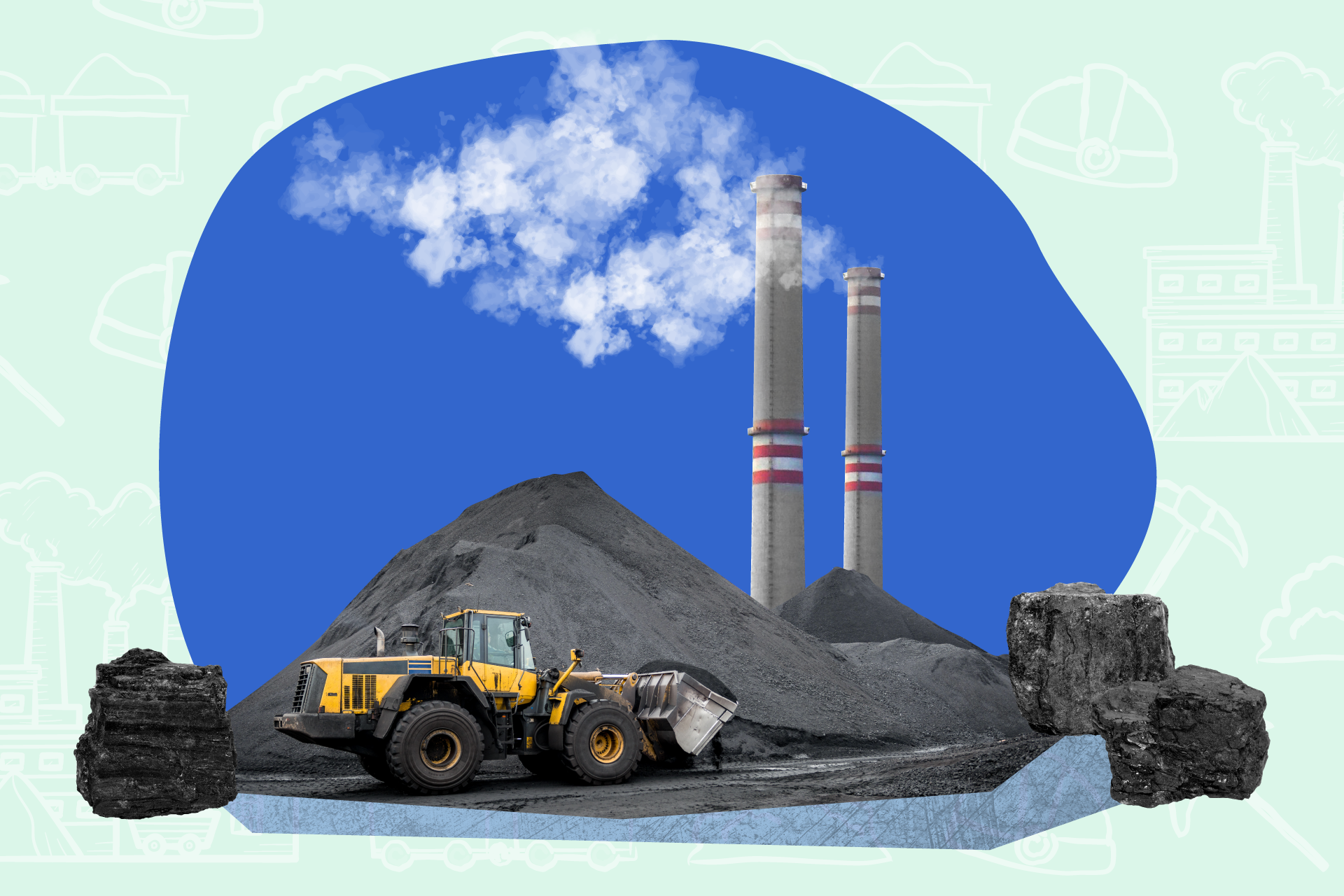
For centuries, coal has been key to the industrial revolution around the world. While coal played a major role in development, it is also the primary reason behind climate change. To meet the goals of the Paris Agreement and limit global warming to no more than 1.5°C compared to pre-industrialized levels, the phase out of coal is critical. The clean energy transition means shifting energy production away from sources that release a lot of greenhouse gases to those that release little to no greenhouse gases. The IAEA fosters sustainable nuclear energy development.
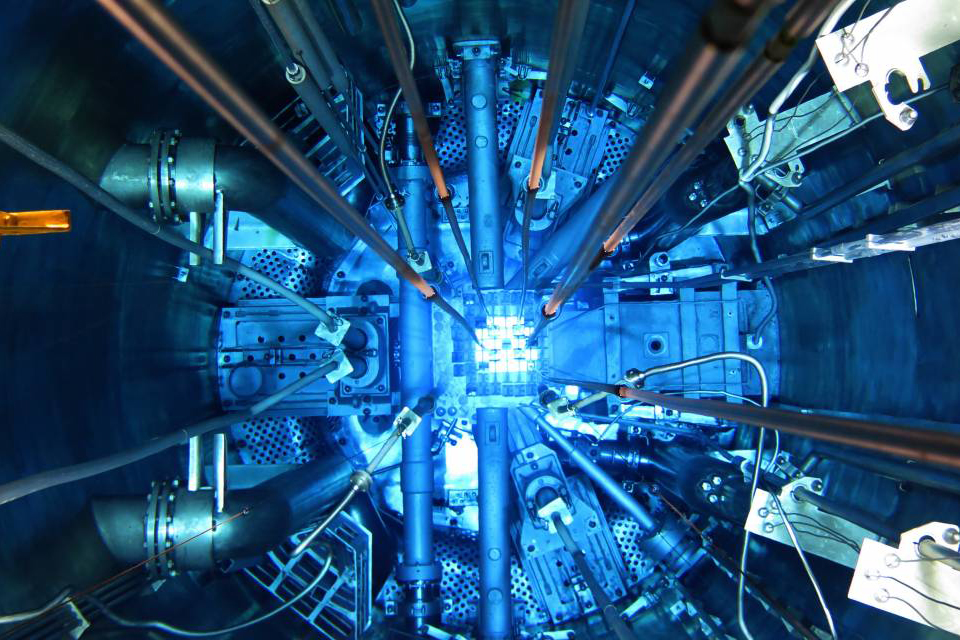
IAEA explains Cherenkov radiation, a form of energy perceived as a blue glow emitted when the electrically charged particles that compose atoms move faster than the speed of light.
Brown coal is far more deadly than nuclear energy, causing 32.7 deaths per unit of electricity produced, with nuclear energy causing only 0.03 deaths. Fukushima Daichi was serious accident, but according to the UN Scientific Committee on the Effects of Atomic Radiation (UNSCEAR) no one died from radiation exposure as a result. Nuclear powerplants today have improved safety thanks to the implementation of “defence in depth”, which is having multiple independent barriers between the source of radiation and the outside ensuring the public are protected even if one of the barriers fails.

Women from all over the world studying nuclear-related subjects are encouraged to apply for the IAEA’s Marie Sklodowska-Curie Fellowship Programme by 30 September 2022.

IAEA developed an e-learning course providing an overview of their Safety Standards, which is now available in all UN official languages: Arabic, Chinese, English, French, Russian and Spanish.

Through nuclear techniques, IAEA contributes to biodiversity while supporting countries to reach their strategic objectives towards food security, sustainable agriculture and ecosystem services.