
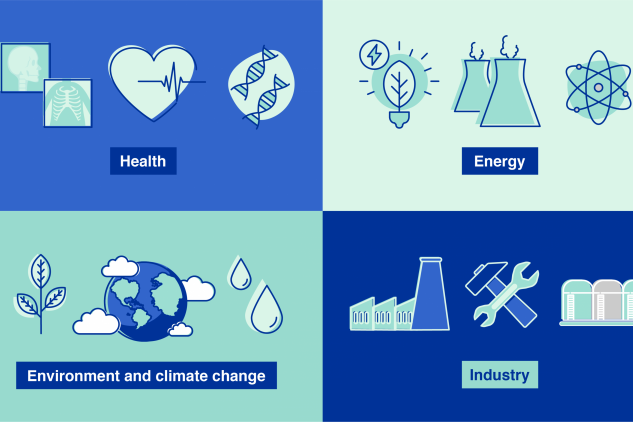
Radiation is energy that moves from one place to another in a form that can be described as waves or particles. Radiation has many beneficial applications, but there are also risks associated with its use.
IAEA

With data from an IAEA database obtained through a nuclear technique, a study found the body will offset calories burned performing exercise — with age and weight, the ratio gets even worse.
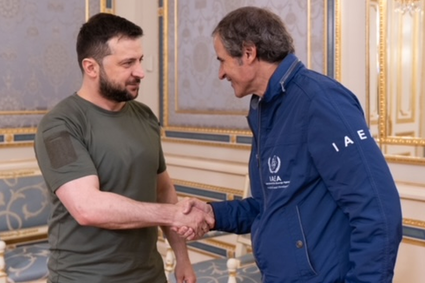
IAEA will continue to support Ukraine in ensuring the safety and security of its nuclear sites, IAEA Director General Rafael Mariano Grossi told Ukraine President Volodymyr Zelensky during a meeting in Kyiv. Grossi is in Ukraine heading an assistance mission to deliver vital equipment and conduct radiological assessments at the Chornobyl Nuclear Power Plant, which was held by Russian forces for five weeks before 31 March. Zelensky thanked Grossi for visiting Chornobyl and the continued support the IAEA has provided to Ukraine and its nuclear regulator.

IAEA has trained scientists from six Latin American countries in using nuclear and related techniques to detect and contain a banana disease threatening a quarter of the global production.

A new e-learning course catalogue will make it easier for users to find and enrol in the IAEA’s free online courses.
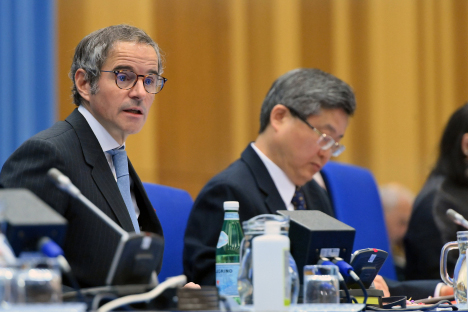
Updates on nuclear safety, security and safeguards implications of the conflict in Ukraine.
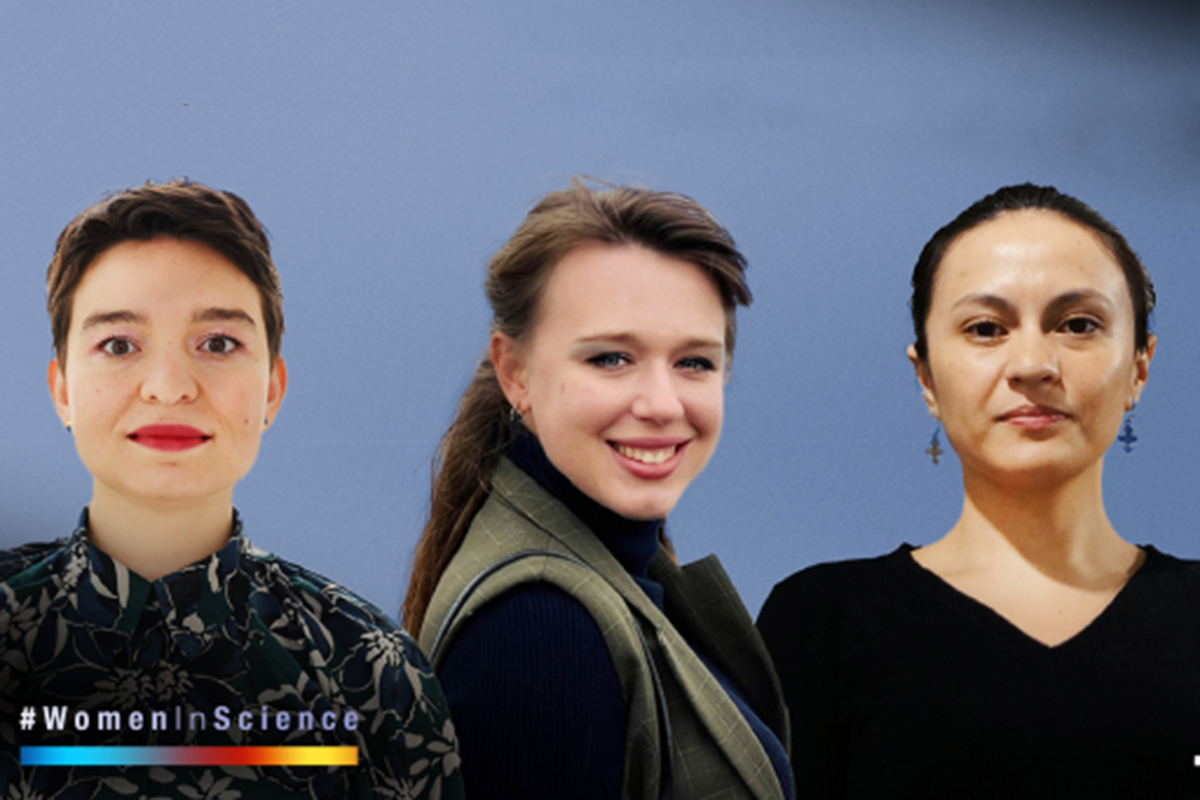
The Marie Sklodowska-Curie Fellowship Programme, is an IAEA initiative to help women who have completed nuclear science education to develop and expand their career opportunities.
Cancer kills far too many people — particularly in Africa. The IAEA’s new initiative ‘Rays of Hope’ sets out to change that, by supporting the establishment and expansion of radiotherapy services, with a particular focus on the more than 20 IAEA Member States that completely lack facilities for radiation treatment.
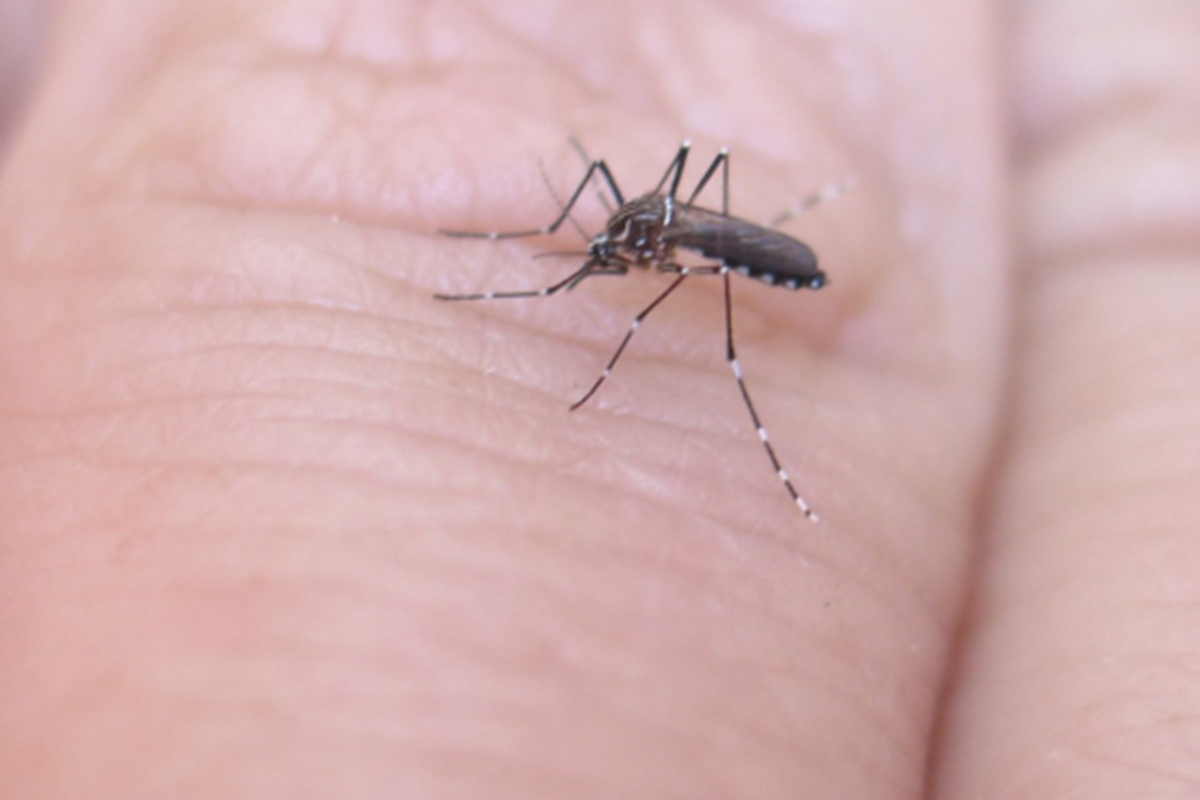
Cuba, with support from IAEA’s technical cooperation programme, is aiming to tackle the spread of dengue by piloting a nuclear technique which can decrease mosquito populations.
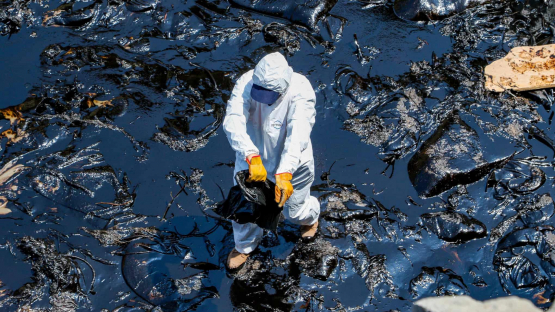
The International Atomic Energy Agency (IAEA) will send experts and sophisticated monitoring equipment to help Peru assess and limit the environmental damage from a major oil spill in its coastal waters.
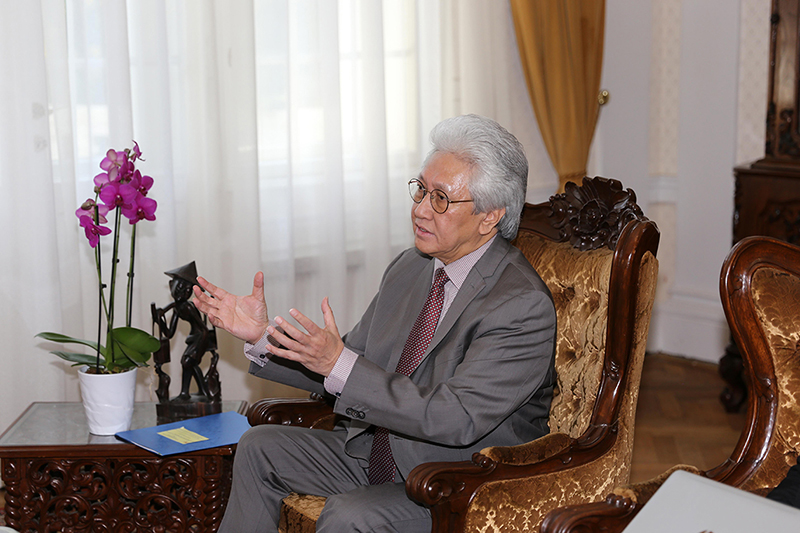
Darmansjah Djumala, Indonesia’s Ambassador in Vienna, talks about Indonesia’s roles as both a recipient and a donor of the Peaceful Uses Initiative of the IAEA.
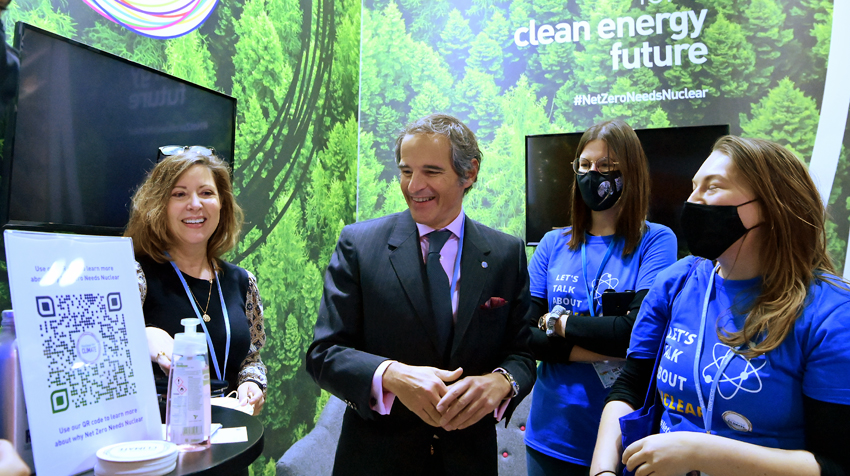
“How obscene it would be for a country…that still has poverty, that still has all these problems, to spend billions in nuclear weapons. What for?”
IAEA Director General Rafael Mariano Grossi has specialized in non-proliferation and disarmament issues for more than 35 years – ever since he began his career as a diplomat in his native Argentina, when the country's then military dictatorship announced that it had mastered uranium enrichment. Rafael shares how a meeting in his twenties with atomic bomb survivors from Hiroshima profoundly changed his perspective. He also explains benefits of nuclear technology as he prepares to launch Rays of Hope, an initiative to scale cancer treatment for women across Africa.

Nuclear can be utilized to decarbonize non-electric applications. The IAEA supports and facilitates the development of new and emerging non-electric applications of nuclear technologies.
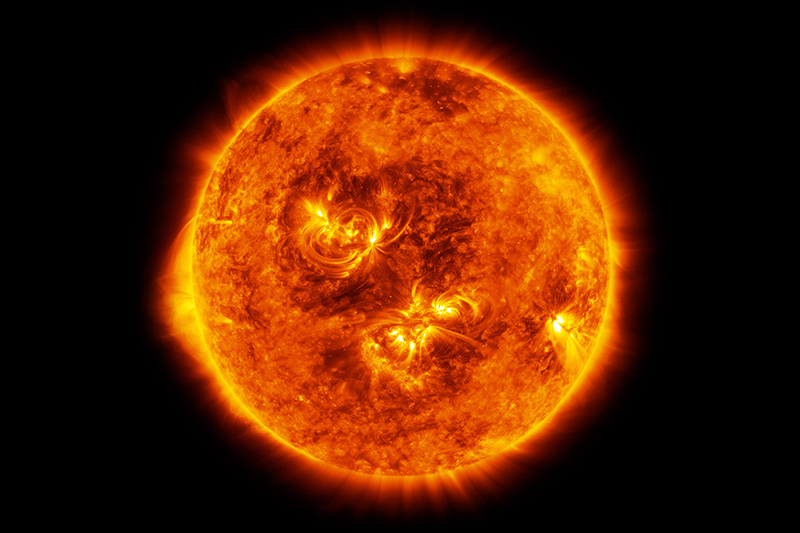
Ever since nuclear fusion was understood in the 1930s, scientists have been on a quest to recreate and harness it. The IAEA has been at the core of international fusion research.
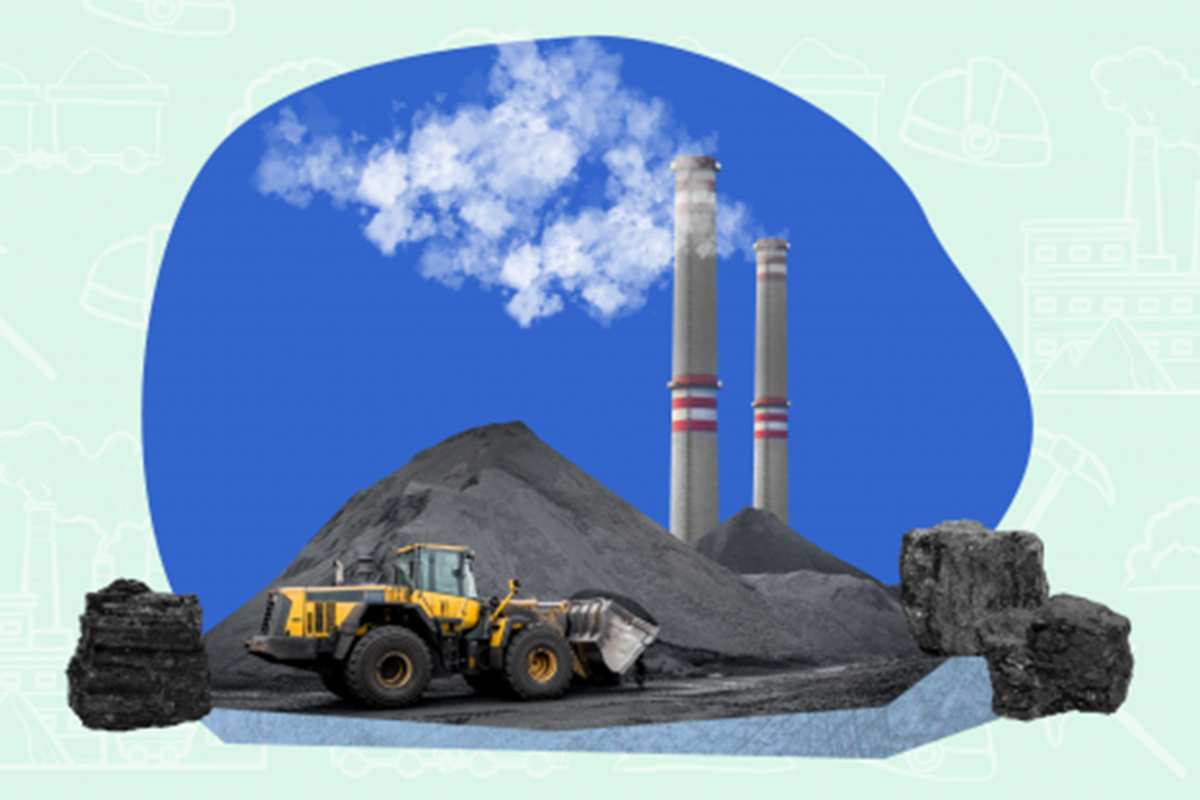
While coal played a major role in the development of the modern world, it is also the primary reason behind climate change: coal burning is responsible for more than 40 per cent of global carbon emissions and more than 75 per cent of emissions from electricity generation. The clean energy transition means shifting energy production away from sources that release a lot of greenhouse gases to those that release little to no greenhouse gases. The IAEA fosters sustainable nuclear energy development by producing publications, facilitating technical cooperation, and coordinating research.