

New UNCTAD data show that services now account for most of the world’s $2.5 trillion ocean-related trade, overtaking goods and opening new opportunities for developing countries to create value from the ocean while protecting it.
Trade and Commerce

Non-tariff measures now exceed tariffs as major trade barriers, increasing export costs and harming developing countries’ global competitiveness.

New UNCTAD dashboard tracks risks across shipping, energy, food and finance as shocks from the Strait of Hormuz spread through the global economy.

Global trade grew strongly in 2025, but geopolitical tensions, rising costs, and uneven gains are slowing growth and increasing risks for developing economies.

What began as disruption in a key energy corridor is now feeding through the entire global economy, UN Trade and Development warns in its second assessment. Update follows initial assessment of March 10.

What does knowledge mean in an age of AI, deepfakes, and disinformation? When information is everywhere, the real challenge is distinguishing insight from noise.
In this episode of the World Bank’s Development Podcast, host Toni Karasanyi explores how knowledge is evolving in a world where machines can generate convincing arguments and personalized realities shape how we consume information.
Tech journalist Jamie Bartlett, author of How to Talk to AI (And How Not To), explains how individuals can use AI tools without being misled — and why critical thinking matters more than ever.
Paschal Donohoe, the World Bank Group’s Managing Director and Chief Knowledge Officer, discusses how the Bank is turning more than 80 years of global development experience into practical knowledge that helps countries tackle challenges, including creating jobs and scale solutions in a fast-changing world.
Disruptions in the Strait of Hormuz are driving up energy, transport, and fertilizer costs, threatening food prices and economic stability, particularly in developing countries.

Disruptions in the Strait of Hormuz, one of the world's most critical chokepoints for oil, gas, and fertilizer shipments, are already pushing up energy and agricultural input costs worldwide. Because energy and fertilizer markets are closely linked to food production, these shocks can quickly spread through global agrifood systems.
In the short term, measures such as diversifying trade routes, strengthening market monitoring, supporting farmers, and providing targeted assistance to vulnerable countries can help stabilize supply chains.
Diplomatic efforts to ensure the safe reopening of the Strait of Hormuz also remain critical for protecting global energy markets and food security.
This special episode of the podcast The Work We Do by the UN Food and Agriculture Organization delves into the global implications of the current Middle East crisis.

A UN Trade and Development report warns that growing policy uncertainty and fragmentation in the global trading system threaten developing countries’ ability to benefit from trade.

UN Trade and Development (UNCTAD) has released a rapid analysis examining the implications of recent disruptions to maritime traffic in the Strait, one of the world’s most critical trade corridors.
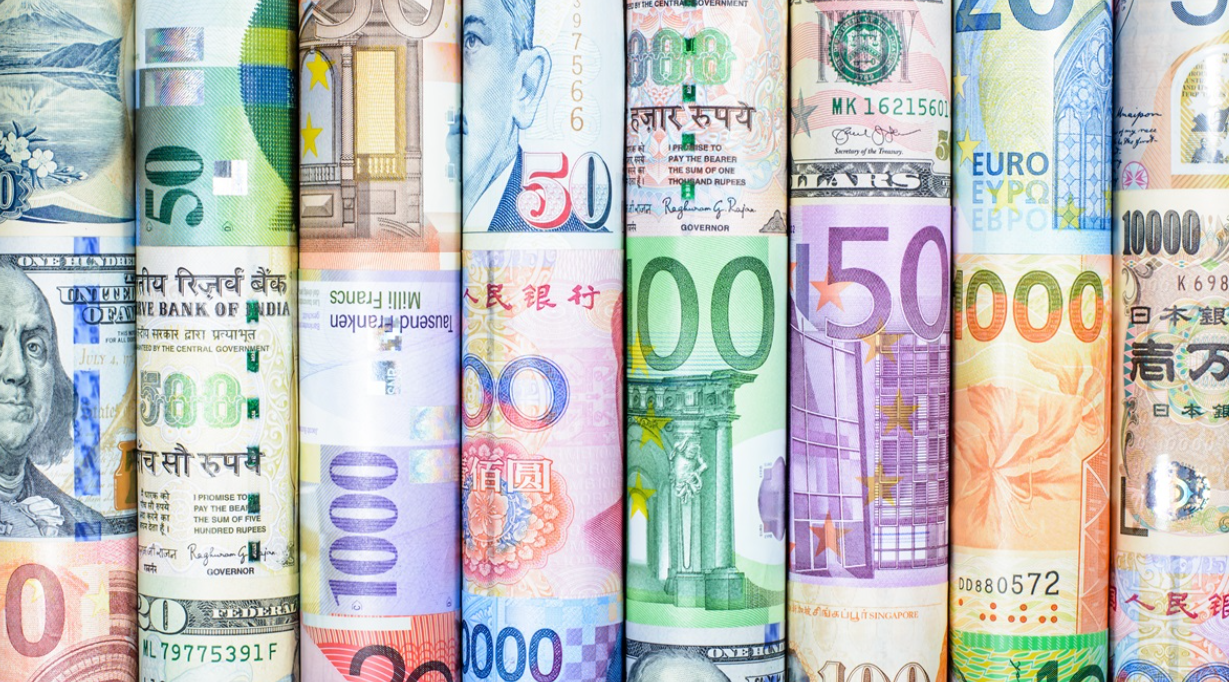
After reaching a record $35 trillion in 2025, global trade is set to keep growing in 2026 at a slower pace as geopolitical tensions, supply chain shifts and digital and green transitions reshape trade flows.
Discover how the WTO manages global trade, helps countries trade better, and improves lives worldwide.
Geopolitical shifts and financial instability are reshaping globalization, straining trade and development, heightening risks for developing economies, and underscoring the need for coordinated trade, finance, debt, and climate reforms.

Set for November 2026, the UN Global Supply Chain Forum will unite world leaders in Saudi Arabia to boost trade resilience and build sustainable, inclusive logistics systems. Stay tuned for updates..

The 16th UN Conference on Trade and Development is being held from 20 - 23 October 2025 at the Palais des Nations in Geneva under the theme “Shaping the future: Driving economic transformation for equitable, inclusive and sustainable development”. Hosted by Switzerland and UNCTAD, the conference brings together governments, Nobel Laureates, international organizations, civil society and renowned experts to discuss global trends and policy perspectives on trade, investment, development and digital economy. Check the programme and follow the conference on UN Web TV.