

With over one‑third of people offline and half of businesses not trading online, post offices—often the only public access point in remote areas—are vital gateways to the digital economy. #PostForPeople: Local Service. Global Reach, the theme of this year’s World Post Day (9 October), highlights the Post’s role as a trusted, community-centered public service. From countryside hamlets to urban hubs, the Post connects people and expands opportunities. Celebrate #WorldPostDay with us as we renew our commitment to a strong, sustainable postal network that supports communities around the globe.
Trade and Commerce

Global seaborne trade is projected to grow by just 0.5% in 2025, as rising costs, geopolitical tensions, and long-distance rerouting contribute to mounting uncertainty in the maritime transport sector.

For generations, the postal service has connected people by delivering stories, ideas, and dreams. As the world evolves, so does the postal service. At the 28th Universal Postal Congress (8–19 September), ministers, regulators, and CEOs from postal services and the private sector across the Universal Postal Union’s (UPU) 192 member countries gather in Dubai to chart the UPU’s 2026–2029 strategy and advance transformation of international mail exchanges through inclusion, innovation and sustainability. Founded in 1874, the UPU is the world’s second oldest international organization.

UNCTAD’s latest Global Trade Update reveals that systemic uncertainty, driven by shifting policies and geopolitical instability, is reshaping global trade, raising costs, and disproportionately harming developing economies.
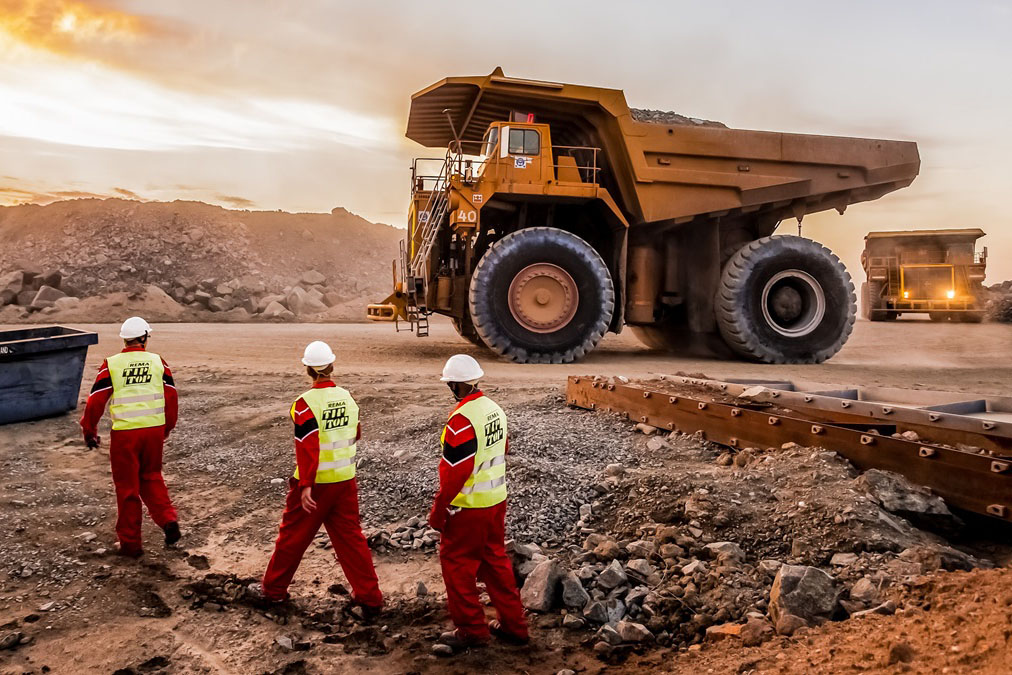
Over two-thirds of developing countries remain reliant on primary exports, risking instability and missed opportunities without urgent economic diversification.

The Convention on International Trade in Endangered Species of Wild Fauna and Flora (CITES) is an international agreement between governments that aims to ensure that the international trade in specimens of wild animals and plants does not threaten their survival. With 185 Parties and strong partnerships, CITES has worked for five decades to make wildlife trade sustainable, legal, and traceable. It has helped build a world where people and wildlife coexist and thrive together, while advancing sustainable development.

This year, Micro-, Small and Medium-sized Enterprises Day (27 June) comes at a time of shifts in global trade and just ahead of two major development conferences in Spain and Qatar. These enterprises are crucial for job creation and local development, especially for women and vulnerable groups. They face challenges such as limited financing and tough operating conditions. Climate change and supply chain disruptions worsen their struggles. Addressing the funding gap, supportive policies, skills training, and easier registration are vital for their success.

The latest Global Trade Update from UNCTAD examines the ocean economy – a vital driver of global trade now under growing pressure from environmental and geopolitical shocks.

Not long ago, we were deep in a cost-of-living crisis. Inflation has now eased a bit but geopolitics remain tense and the global economy is still struggling to recover.
But rather than moving towards more open trade, many countries are becoming more protectionist. Adding to the unease, countries are threatening to slap huge tariffs on major trading partners.
In the current climate, there are fears that escalating tariffs could lead to trade wars - a scenario with grim prospects for many developing countries. For more on the ins and outs of tariffs, tune in to the UNCTAD’s Weekly Tradecast with Emily Blanchard, former Chief Economist at the U.S. State Department and Associate Professor at the Tuck School of Business at Dartmouth College.
UN Trade and Development's BioTrade Initiative promotes sustainable biodiversity conservation, fostering economic development through responsible trade practices while benefiting local communities and aligning with global agreements like the Convention on Biological Diversity (CBD) and Convention on International Trade in Endangered Species of Wild Fauna and Flora (CITES).
UNCTAD's Weekly Tradecast looks at trade, industrial policy and the role of the private sector in promoting the interests of developing countries with special guest John Denton, Secretary General of the International Chamber of Commerce (ICC).
With a cascade of crises hitting the global economy, UN Trade and Development convened government leaders, top economists and other experts in Geneva earlier this year to chart a new course for development in a changing world.
For a deeper look at the forum and how the private sector can support inclusive development, listen to global business leader and advisor John Denton from the ICC.
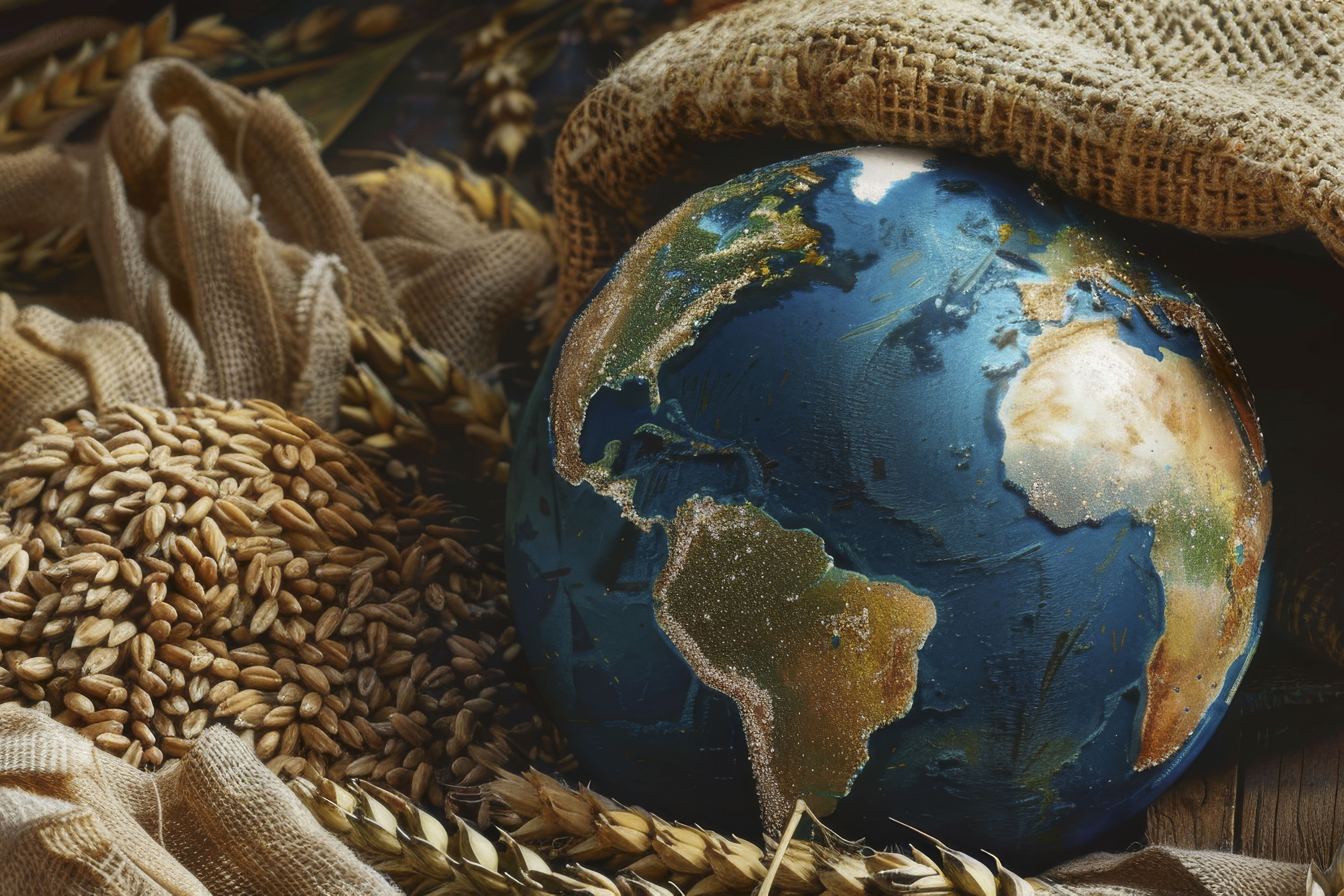
A UN Trade and Development report highlights the rising global hunger crisis, urging urgent action and emphasizing how trade can stabilize food systems and reduce vulnerabilities.

The Weekly Tradecast by UNCTAD talks to Richard Baldwin – professor at IMD Business School and an expert on globalization – for his insights on the big economic shifts from manufacturing to services and what they mean for developing countries.
Services have proven to be resilient to crises in recent years and are growing rapidly — offering opportunities to developing countries for growth in jobs, incomes, investment and trade.
Tune in for more on these big shifts from Richard Baldwin, whom the Financial Times calls "one of the most important thinkers in this era of global disruption".

Tanzanian entrepreneur Nicholaus Noah successfully addressed new non-tariff barriers in Ghana through the new mobile app by African Continental Free Trade Area (AfCFTA), leading to policy reversal and smoother trade for his sisal exports.

In October 2023, Iraq launched software to digitize customs clearance processes, reduce fraud risks, and ease cross-border trade. The digital tool allows traders to complete all paperwork online.