

The Borrowers’ Platform helps developing countries strengthen debt management through peer learning, shared expertise, and collaboration to address rising debt and financing challenges.
Finance

Global foreign direct investment (FDI) rose 6% to $1.6 trillion in 2025, but growth remained concentrated, with developing economies seeing limited gains amid uncertainty.

A simple transfer of money can sow the seeds of opportunity, resilience and growth. The International Day of Family Remittances (18 June) highlights the theme “Remittances for Rural Resilience, Entrepreneurship and Employment.” Nearly US$700 billion is sent annually to low- and middle-income countries, with around one-third reaching rural communities. The 2026 campaign calls on governments, the private sector and civil society to harness remittances and diaspora investment to expand entrepreneurship, create decent jobs, strengthen food security, and build more resilient and inclusive rural economies.

Nutrition is a cornerstone of rural transformation, linking healthy populations, resilient food systems and stronger local economies. Malnutrition costs the global economy up to US$3.5 trillion each year, while every dollar invested in nutrition can generate about US$23 in returns. The International Fund for Agriculture and Development (IFAD) promotes nutrition-sensitive investments that address the causes of malnutrition and strengthen sustainable food systems. Home-grown school feeding programmes illustrate this approach by improving children’s diets while creating reliable markets for small-scale farmers. In Kenya, IFAD-supported cooperatives supply nutritious grains to schools, boosting food security and livelihoods. Through partnerships with governments, donors and international agencies, including Norway-funded initiatives in seven African countries, IFAD has improved nutrition and livelihoods for over 263,000 rural people.
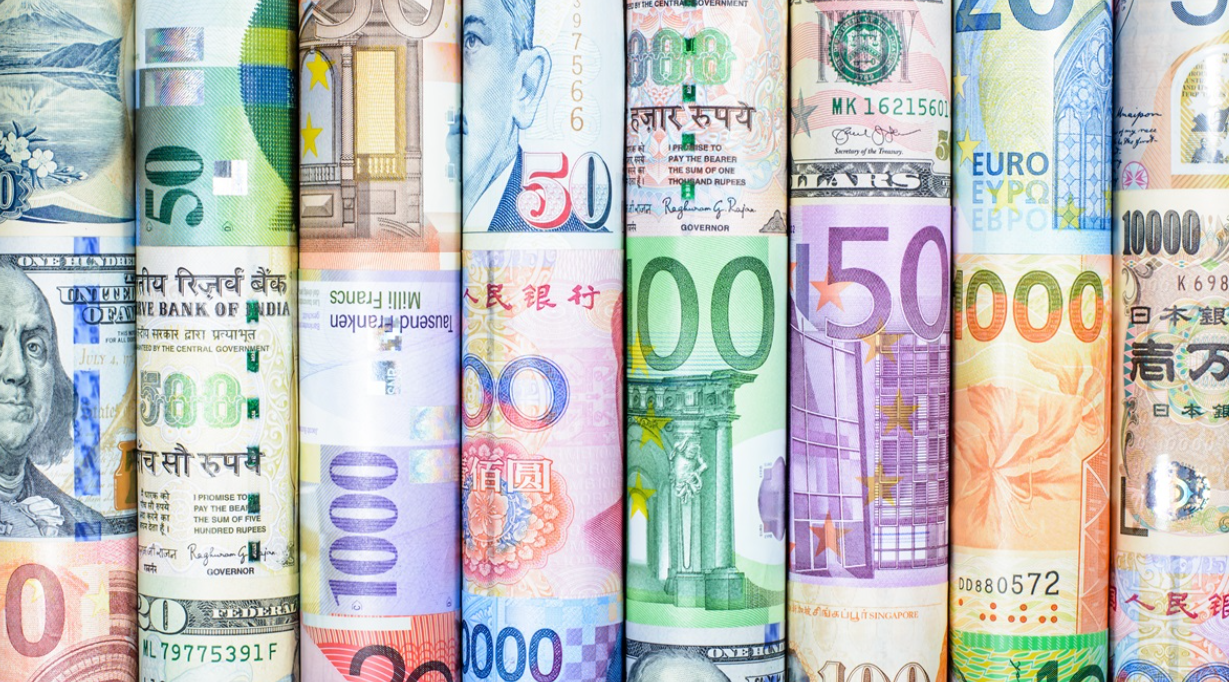
A global forum where developing countries collaborate, share debt management strategies, and strengthen collective capacity to address rising financial challenges.

Core replenishment contributions remain the backbone of International Fund for Agricultural Development’s financing model, enabling long-term rural transformation. As IFAD enters its fourteenth replenishment, each dollar from Member States helps mobilize significantly more investment. Countries like Norway enhance this impact by supporting core resources and supplementary funds targeting specific priorities. During the twelfth replenishment, these funds reached record levels. Norway’s nutrition-focused fund supported projects in Benin, Burkina Faso and Malawi, delivering measurable results. Aligning supplementary and core funding shows how strategic partnerships can scale impact and advance inclusive, sustainable rural development.

With global wealth abundant but unevenly connected, investing in human capital through solidarity, domestic resources and private financing is both the smartest and most effective way to close development gaps and achieve the SDGs.
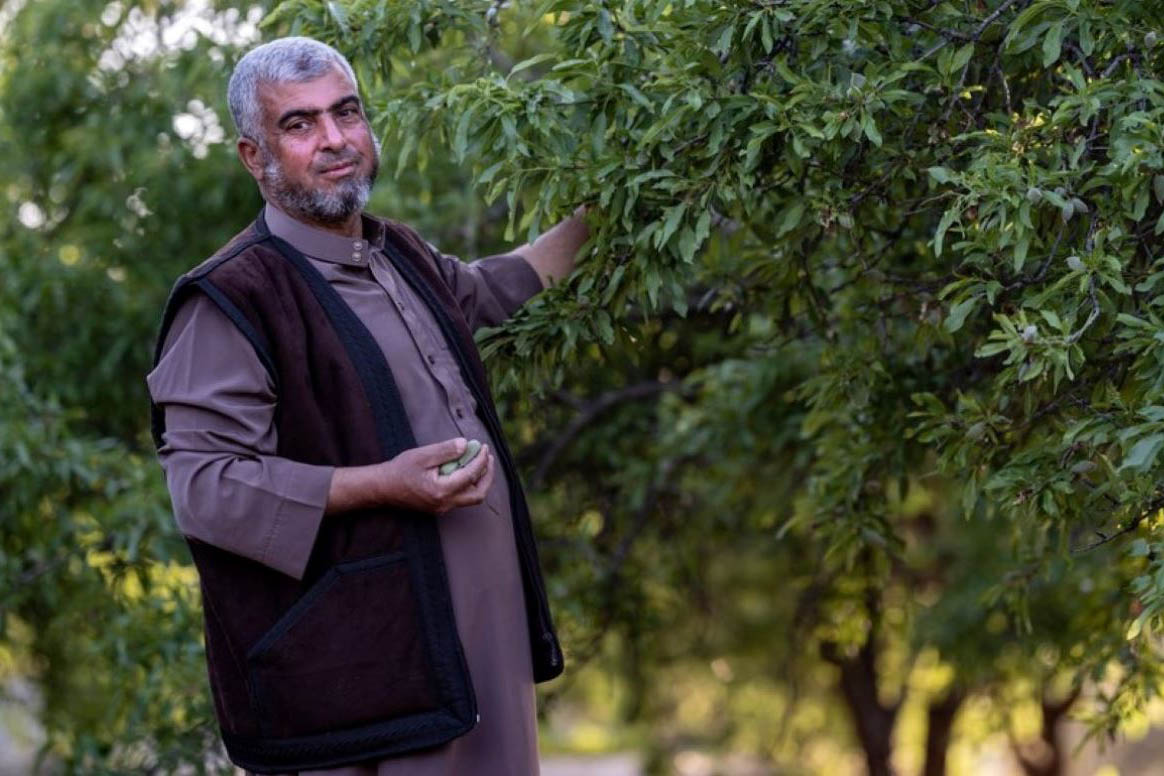
In 2026, IFAD is strengthening rural economies by empowering youth, promoting resilience, and connecting small-scale producers to markets to drive inclusive, sustainable growth.

By replacing outdated financing models with innovative, investment-driven approaches, adaptation finance can unlock sustainable growth, attract private capital, and deliver lasting resilience for rural communities and global economies alike.

In a new report, UN Trade and Development says improving the international financial architecture is a prerequisite for unlocking the finance needed to support climate-resilient development.

The consumption of tobacco, alcohol, and sugary drinks fuels the epidemic of non-communicable diseases, such as heart disease, cancer, and diabetes, which account for over 75% of all deaths worldwide. The World Health Organization (WHO) is urging countries to raise real prices on tobacco, alcohol, and sugary drinks by at least 50% by 2035. The “3 by 35” Initiative comes at a time when health systems are under enormous strain from rising noncommunicable diseases, shrinking development aid and growing public debt. WHO is calling on countries, civil society, and development partners to support the “3 by 35” Initiative and commit to smarter, fairer taxation that protects health..

According to the United Nations, the world needs an extra $4 trillion every year to tackle some of the world’s biggest challenges – ending poverty and hunger, fighting climate change, and reducing inequality. These are part of 17 goals agreed by nearly every country, called the Sustainable Development Goals (SDGs). The plan is to hit these targets by 2030. But we’re falling behind. One big reason? There just isn’t enough consistent funding to make real progress. That’s why world leaders, economists, and other decision-makers are meeting at the end of this month in Sevilla, Spain, for a major event called the Fourth International Conference on Financing for Development. It’s being called a “once-in-a-decade opportunity” to rethink how the world pays for sustainable development.

Government leaders, together with international and regional organizations, financial and trade institutions, businesses and civil society have come together at the highest level to foster stronger international cooperation at the Fourth International Conference on Financing for Development (FFD4) in Seville, Spain. The four day conference offers a unique opportunity to reform financing at all levels — including advancing reform of the international financial architecture and addressing financing challenges that hinder the urgently needed investment push for the Sustainable Development Goals (SDGs).

Over the past decade, migrants have sent US$5 trillion in remittances to low- and middle-income countries, exceeding official development assistance and equaling foreign direct investment. More than one-third of these funds have reached rural areas, where they count the most. Remittances are more than financial transactions; they are a lifeline for millions of families. As part of its decade-long campaign highlighting the role of remittances in achieving the SDGs, the International Day of Family Remittances (16 June) focuses on showcasing how these transfers contribute to financing development.
The next generation of innovators is rising from the developing world, and the World Bank Group is helping them thrive. By combining insight, finance, and partnerships, we've transformed $29 billion in donor support into $1.5 trillion in real-world impact.