

UNDP works with local communities in Indonesia’s Kalimantan forests to protect biodiversity and generate sustainable livelihoods. Recognising that naturally-dyed textiles are in high demand (and thus fetch higher prices) on international markets, weavers from the Ensaid Panjang village started a programme of forest rehabilitation and enrichment by planting and cultivating natural dye-producing plants. The KalFor project, which is supported by UNDP Indonesia and partners, bolsters the Government's program to preserve the remaining forests in Kalimantan that are outside state forest zones.
Natural Resources and the Environment

FAO and the Arbor Day Foundation started the Tree Cities of the World programme, a collaborative effort to encourage cities and towns around the globe to invest in, properly maintain and sustainably manage urban forests and trees. 2019 was the first year of eligibility for this worldwide initiative and 68 cities from 17 countries were recognised for their commitment to urban forestry. The programme has since almost doubled and now includes 120 cities from 23 countries.

Environmental protection is frequently presented as a choice between benefits for the natural world or for humans. But the Republic of Costa Rica is showing that symbiotic relationships between environmental protection and economic development are possible. And the world is taking notice. The Government of Costa Rica was honoured with the Earthshot Prize, a Nobel-like award founded by renowned British naturalist Sir David Attenborough. UNDP values the leadership of developing countries in finding solutions that work for people and for the planet.
The Montreal Protocol is one of the most successful universally ratified environmental treaties. Without which, it is estimated that the global ozone layer would have collapsed by the mid-21st century, with devastating environmental implications. Scientists estimate that the ozone hole is now expected to gradually close. But there is more to be done. The Kigali Amendment aims to phase-out so called HFC gasses. Compliance will avoid up to 0.4°C of global warming over this century. UNEP brings us a film by Yann Arthus-Bertrand, narrated by Sir David Attenborough, with aerial footage courtesy of Human / GoodPlanet Foundation.
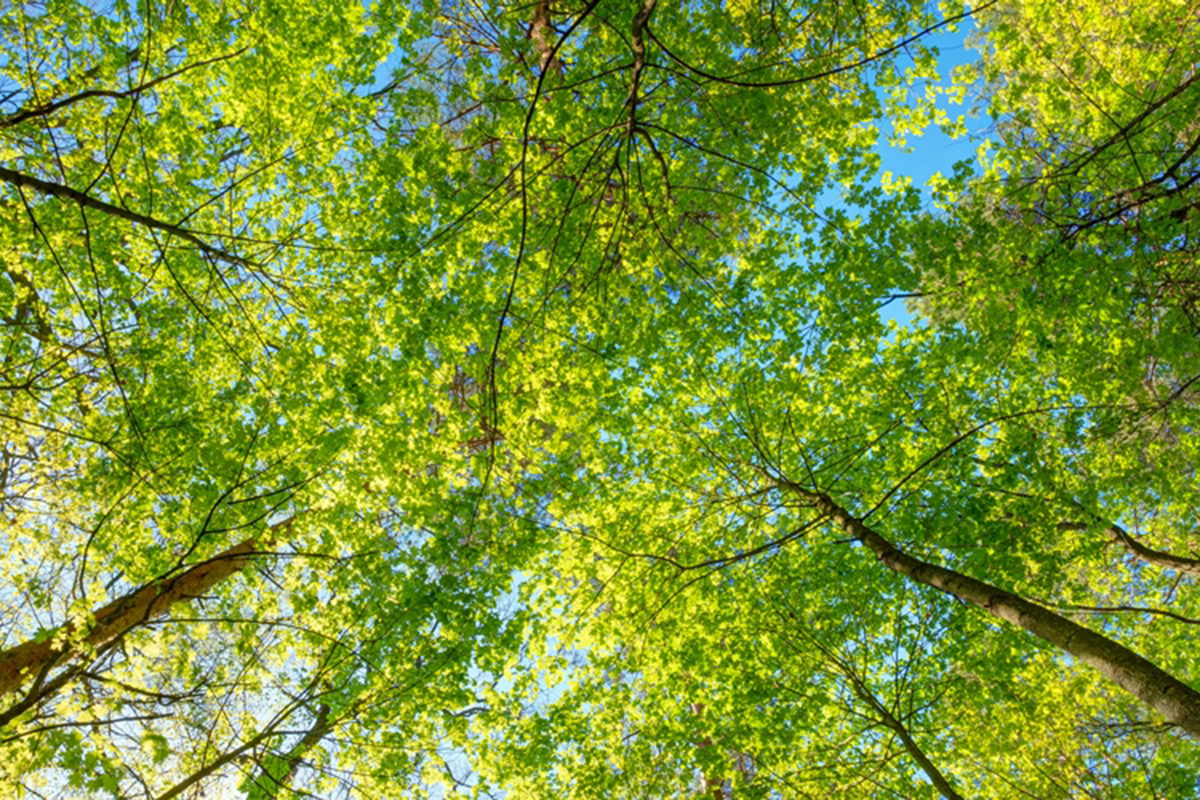
Air pollution is a multifaceted problem – representing the world’s leading environmental risk to health, costing the globe an estimated $8.1 trillion in 2019. Air pollution is also deadly, causing or contributing to heart attacks, strokes, lung cancer, and respiratory diseases and killing an estimated seven million people every year. 95 percent of these deaths occur in low- and middle- income countries. As such, tackling air pollution is a component of the World Bank’s mission to eradicate poverty and promote shared prosperity. Less obvious is what can be done to address this problem.
Only 4.8 percent of Uruguay’s land is now covered by native forests. A group of local people have decided to reverse that trend and despite the winter’s cold, have gathered in a local park to start work. UNDP Uruguay’s Accelerator Lab, and partners have begun planting 1,000 trees to restore Punta del Diablo’s native forest.

Orangutans, meaning people of the forest, live in Indonesia and Malaysia. Their presence signals a healthy forest. When populations shrink, so do those of other animal and plant species. Orangutans are now critically endangered, and their population has declined by around 50% in the last 60 years, mainly due to loss of habitat. A tree cut is a home destroyed. When they come down to the ground, they are vulnerable to illegal trafficking. This World Orangutan Day (19 Aug) get to know how the UN works in their conservation. Join the Wild for Life campaign and watch them on the virtual tours!
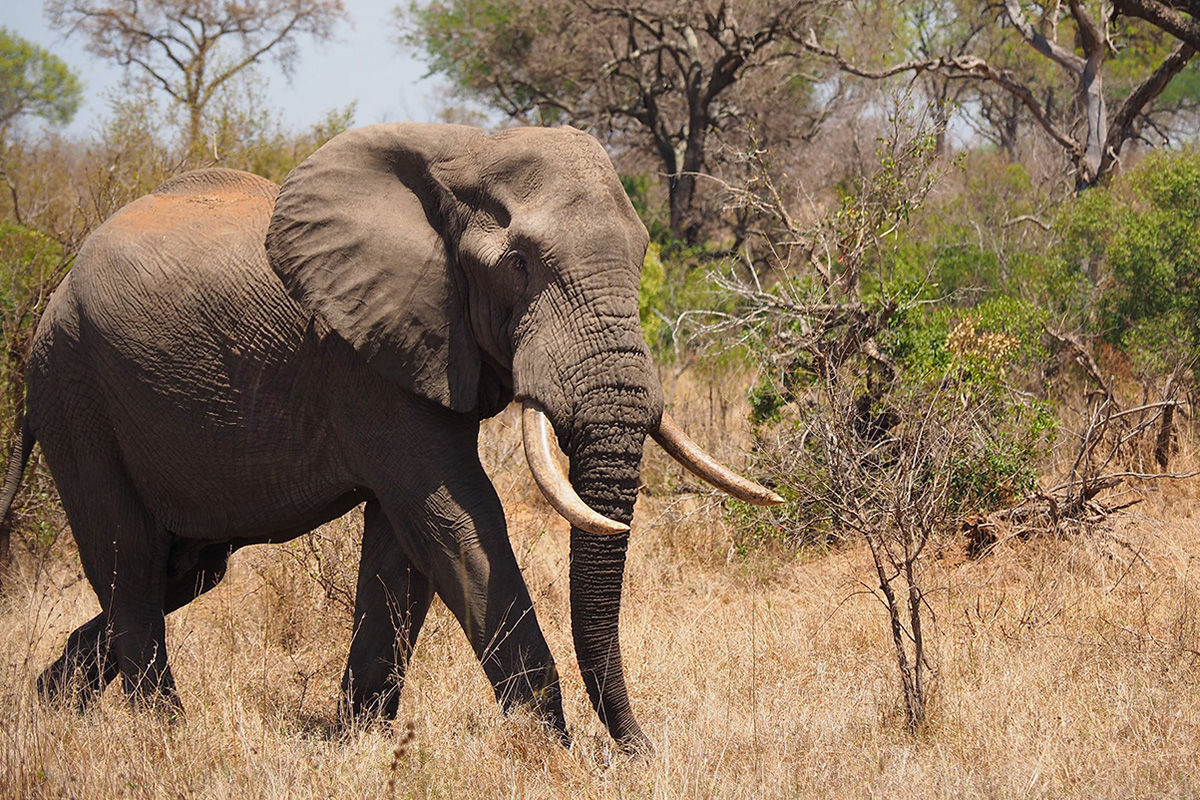
Did you know that elephants germinate many plants that do not grow without passing through their digestive system? Elephants don’t only provide for ecosystems, they do so for economies too. They bring income and jobs to the tourism sector. Despite their contributions, elephants are poached in large numbers for their high-priced ivory. Visit the UN African Elephant Fund, to learn how the UN works to restore sustainable elephant populations. You can also go wild on a savanna journey. On #WorldElephantDay (12 August) join the Wild for Life campaign to help tackle the illegal trade in wildlife.

On the Kenyan coast, a UNEP partner, the Watamu Marine Association, has developed a business model that keeps beaches clean, bringing together local communities and the tourism industry to collect, repurpose and recycle plastic waste. This small-scale circular economy has big potential and can be replicated anywhere in the world there is a coastal tourism industry, restoring coastlines and addressing the global issue of marine litter.
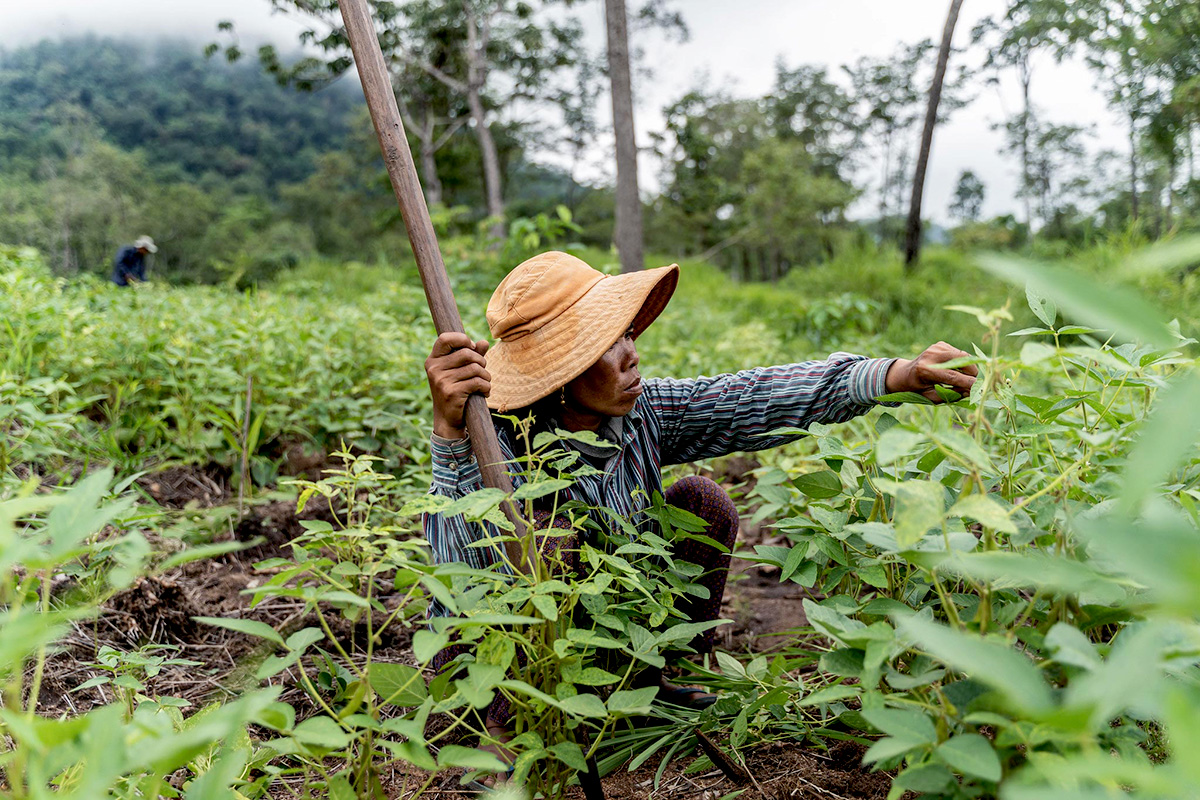
FAO and partners equip forest communities with the technical capacity and funds needed to address forest degradation and promote restoration activities, along with the Cambodian government.
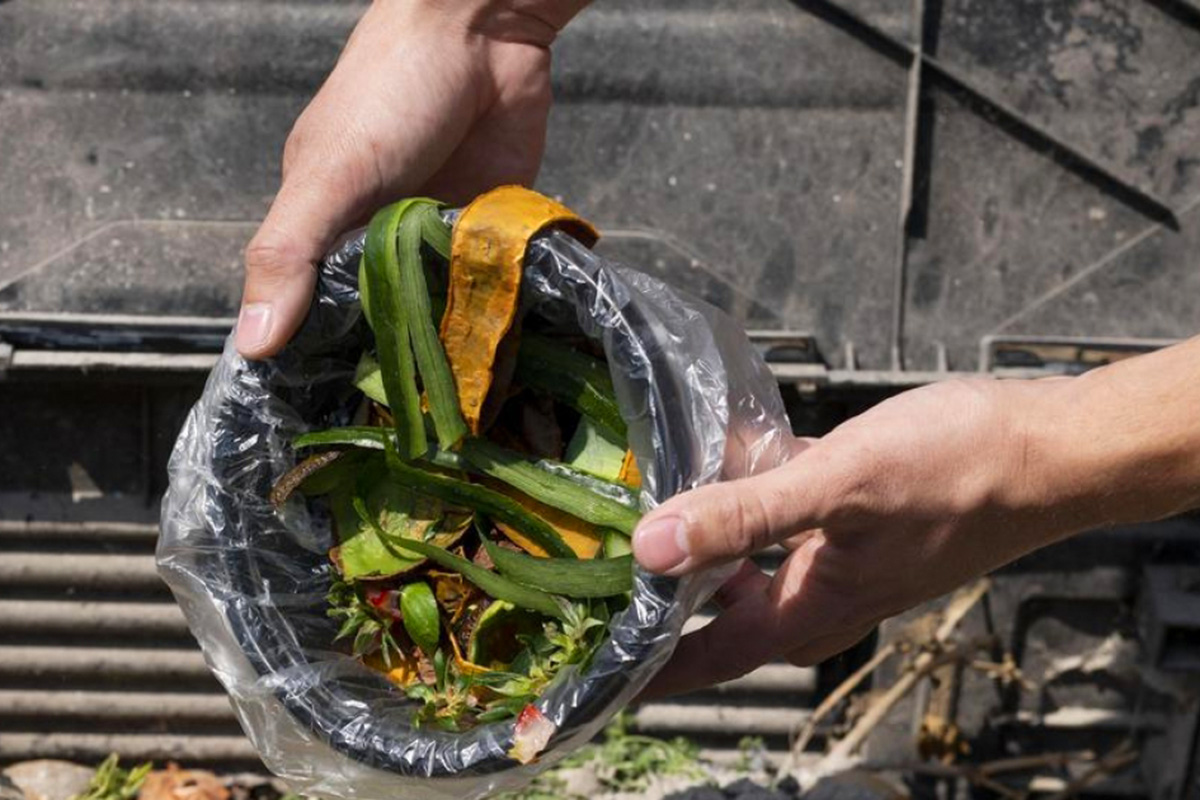
1.3 billion tonnes of food is either lost or wasted, says the UNEP Food Waste Index. Composting is one of the best options for managing organic waste while also reducing environmental impacts.


UNDP engages brands, local processors, herder groups, development partners, civil society organizations and public authorities to advance sustainability in cashmere production.

Tasked with using geospatial technology to count trees in a remote region of northeast Nicaragua Rene Zamora, a Forest Economist from the World Resources Institute (WRI), spread the word so that local people could help. Most of his recruits worked in cattle ranching and agriculture and had never used a computer before. The end result was an FAO-WRI “mapathon”, where local people first learned the necessary computer skills and data-collection techniques before applying this knowledge, all with the goal of creating a high-resolution map of where the region’s trees are.