

World Space Week is the largest annual space event in the world coordinated with partners by the UN Office of Outer Space Affairs. The Week helps build up the workforce of tomorrow, demonstrates visible public support, educates the public, and fosters international cooperation in space outreach and education. 2020 World Space Week is dedicated to satellites and their broad benefits under the theme “Satellites improve life.” Satellites improve our daily lives through communications, environmental monitoring, transportation, weather forecasting, telemedicine, science, and in many other ways.
Outer Space

An asteroid tracking programme in Hawaii has been dubbed the “Earth’s Last Defence” against potentially catastrophic impacts, the UN has heard ahead of International Asteroid Day marked annually on 30 June.
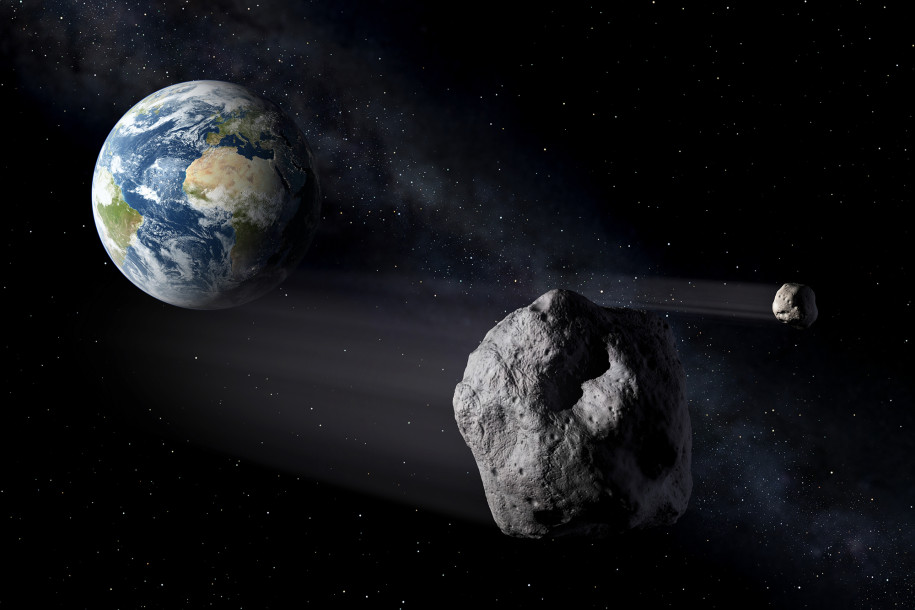
Near-Earth objects (NEOs), such as asteroids or comets, represent potentially catastrophic threats to our planet. 16,000 near-Earth asteroids have been discovered. The Earth's largest recorded asteroid impact, the Tunguska asteroid event, took place on 30 June 1908 in Siberia, Russian Federation. In 2016 the United Nations declared 30 June International Asteroid Day to observe the anniversary of the Tunguska impact and to raise public awareness about asteroid impact hazard. The Day also aims to inform the public of contingency actions in case of a credible NEO threat.