

Learn more about this rare and deadliest form of hunger, which is spreading in Sudan and threatens Gaza and elsewhere – and how WFP is fighting it.
WFP

With funding cuts worsening food insecurity in Afghanistan, one in five people now needs emergency aid, as women and children face rising malnutrition and shrinking food assistance, warns WFP.
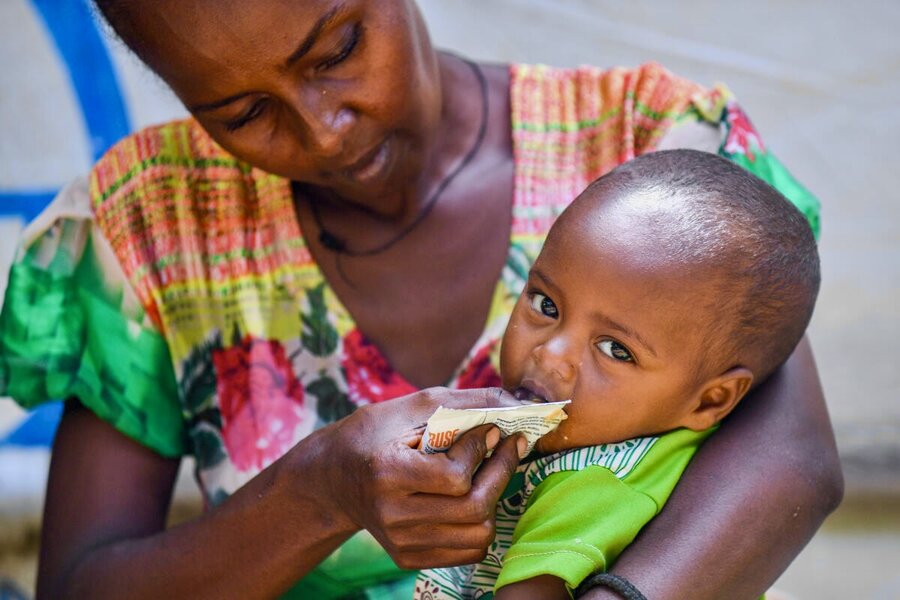
The darkest moments for Nyanene Gatdoor come when her 2-year-old son Tuach sobs from hunger. “When the baby is crying in front of you, and you have nothing to give him, you feel pain in your heart,” says the 25-year-old mother of 3.

People in Gaza are at risk of starvation, with all aid blocked from entering since 2 March. A report by 17 United Nations agencies and NGOs released last week says 470,000 people face catastrophic hunger– level 5 on the Integrated Food Security Phase Classification, the global standard for measuring food insecurity. It also projects that 71,000 children and more than 17,000 pregnant and breastfeeding women will need urgent treatment for acute malnutrition. Three World Food Programme (WFP) staff members share their perspectives: two who visited Deir el-Balah, in the heart of Gaza, in May, and one from Gaza herself.
Restoring degraded ecosystems in Africa is crucial for food security, with WFP’s initiatives like the Livelihood Assets & Resilience Academy building Zimbabwe's local expertise to scale sustainable growth.

Frustrations intensify as violence in Port-au-Prince blocks vital food deliveries to 30,000 people in La Saline, where access to basic services is almost non-existent.

With support, Sudanese refugees in Birao, Central African Republic, are finding stability through food aid, farming, and education after fleeing conflict.

Since the Syrian conflict began in 2011, over 75% of the country's 10.5 million children have been born into a war-torn environment. Many now face severe consequences, including rising malnutrition rates and inadequate access to essential nutrients. Historically, Syria had no significant child malnutrition issues, but prolonged conflict, economic collapse, and recent crises have drastically changed this. Currently, 9.1 million people are food insecure, and the World Food Programme has significantly reduced assistance due to funding shortages. Child malnutrition rates have nearly tripled from 1.7% in 2019 to 4.8% today, with some coastal areas experiencing rates as high as 14%. Additionally, malnutrition among pregnant and breastfeeding women has surged, posing serious health risks for both mothers and their children.

As Sudan enters its third year of war, hunger has reached catastrophic levels. Famine has been confirmed in 10 areas, and 17 others are at risk. Millions of people like Abu Sufian and his family are on the move, crowded into temporary shelters before fighting uproots them once again. In a nation where nearly half the population is hungry, the World Food Programme (WFP) assistance is sometimes the only barrier against starvation. Over 13 million people across Sudan have received WFP assistance over the two years since fighting erupted. But even as the WFP aims to scale up its support to reach seven million people a month by mid-year, it faces severe funding and access constraints. “Without immediate assistance, especially in famine or famine-risk areas, thousands of lives are at risk," says Makena Walker, WFP's Acting Country Director in Sudan.

A combination of poverty, conflict, and extreme weather has led to 1.9 million people facing starvation, with 343 million in 74 countries experiencing acute hunger, as reported by the World Food Programme (WFP). WFP’s fleet of trucks, ships, and planes delivers lifesaving food assistance daily to millions. Central to WFP's mission is its supply chain, which plans, procures, and transports food to those in remote and challenging environments, including conflict zones like the Democratic Republic of the Congo, Haiti, Myanmar, Sudan, and the Gaza Strip. Data-driven decision-making is crucial for efficient planning and delivery. WFP collaborates with partners to enhance supply-chain excellence and respond swiftly to crises. In 2024, over 4,600 supply chain staff—90 percent in the field—worked tirelessly to assist 152 million people in need. But how does the supply chain work?
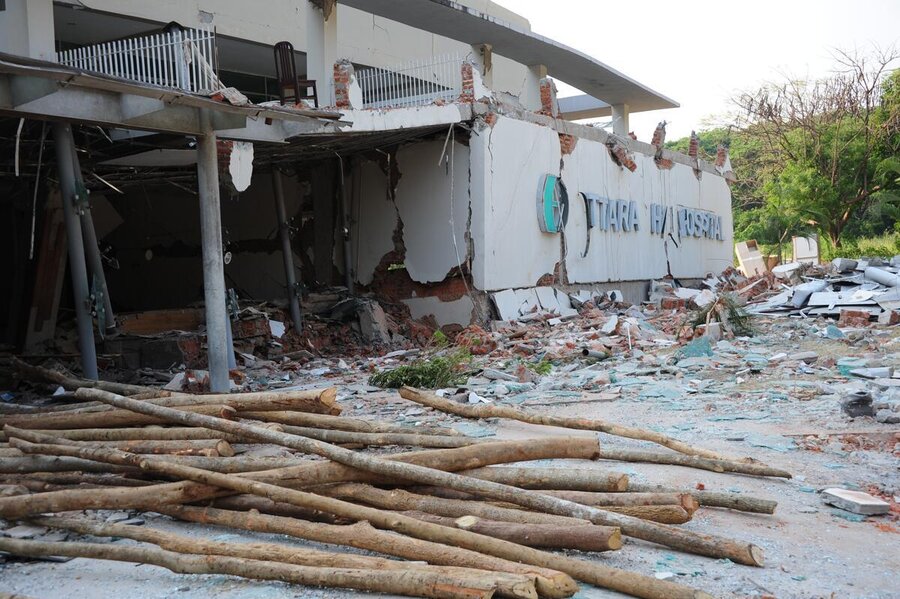
World Food Programme is swiftly mobilizing emergency food aid and logistical support to assist earthquake-affected communities in Myanmar, despite ongoing humanitarian challenges.
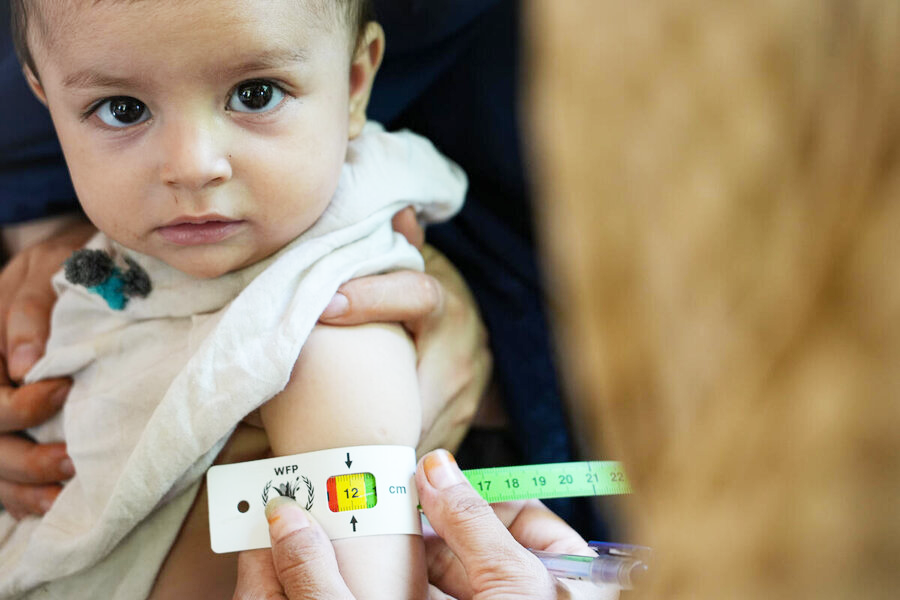
Funding cuts are putting lives at risk as the country faces a worsening nutrition and hunger crisis, leaving millions of people, especially children and pregnant women, vulnerable to malnutrition and death.

The World Food Programme (WFP) is joining calls for the international community to act as a surge in fighting displaces hundreds of thousands of people in camps in the east of the Democratic Republic of the Congo. As of 27 January, the escalation of violence had overwhelmed Goma, the largest city in the east. “Goma falling is the worst thing that we could possibly imagine happening in North Kivu,” said WFP Country Director for DRC, Peter Musoko. “It means we have an urban city centre with a lot of very frustrated and vulnerable people all looking for assistance..” WFP is monitoring the situation to deliver aid where possible. The aim is to reach 800,000 people in North Kivu, South Kivu, and Ituri – 5.1 million people were already displaced across the three eastern states before the current crisis. You can support WFP’s work by donating here.

The World Food Programme urges the international community to increase funding and support a full-scale humanitarian response to address the urgent food security needs of over 2 million people in Gaza.

The term "food basket" is often used to describe a form of assistance the World Food Programme provides to people caught up in crisis. Here's what it means