
Science does have the potential to change our world by making it more sustainable. “We need more basic science to achieve the 2030 Agenda and its 17 Sustainable Development Goals”, the United Nations General Assembly noted in December 2021. In the context of the International Year of Basic Sciences for Sustainable Development (2022), this year's World Science Day for Peace and Development highlights the importance of “basic sciences for sustainable development”. Use #ScienceDay to join the conversation.
Science and Technology

The theme of the 2022 World Space Week (4-10 October) - Space and Sustainability - is inspired by how space exploration and remote Earth observation can help drive change for our home planet. This includes measuring climate change, identifying pollution on land and at sea, supporting agriculture in developing nations. Of the 169 targets that form the 17 Sustainable Development Goals (SDGs), 65 directly benefit from Earth observation satellites and related technologies. Achieving the SDGs would be so much harder without the tools and techniques available to scientists through space exploration.
For the next 5 episodes of Technology for Good, ITU is focusing on technological challenges and opportunities through the eyes of some incredible and inspirational women in tech, in the run up to and during the ITU Plenipotentiary Conference, or PP-22. This major event will gather policymakers from ITU’s 193 member states to take decisions that will shape the future of technology, making it greener, more gender and youth inclusive and more accessible to everyone on our planet.
Women from all over the world studying nuclear-related subjects are encouraged to apply for the IAEA’s Marie Sklodowska-Curie Fellowship Programme by 30 September 2022.
WHO activities on the Responsible Use of the Life Sciences intend to increase awareness and provide tools to foster benefits and constrain risks stemming from dual use life sciences and technologies. Using its role as a leader in public health globally, WHO works with Member States and relevant stakeholders to harness responsible science and to establish mechanisms for adopting changes in practice that support safe, secure and responsible life sciences.

Share your best “Technology for good” photos and win a prize. The ITU photography contest deadline is 22 July.
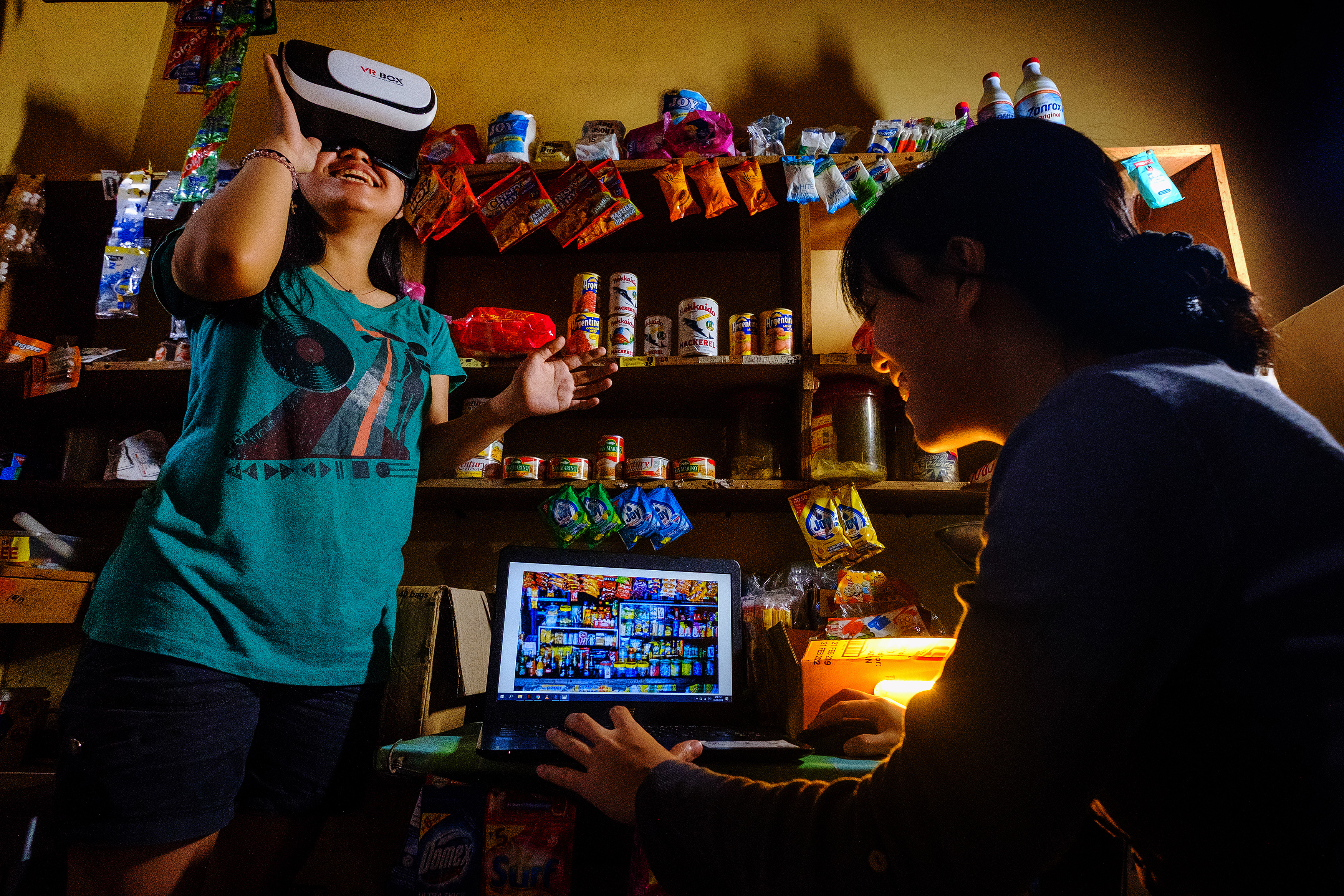
World Youth Skills Day 2022 (15 July) takes place amid efforts towards a socio-economic recovery from the COVID-19 pandemic, interconnected with challenges such as climate change, conflict, persisting poverty, rising inequality, rapid technological change, demographic transition and others. This year’s observation highlights the ongoing focus on the Transforming Education Summit and contribute to the work being done under its Thematic Action Track “Learning and skills for life, work, and sustainable development”. Register to participate the global event!

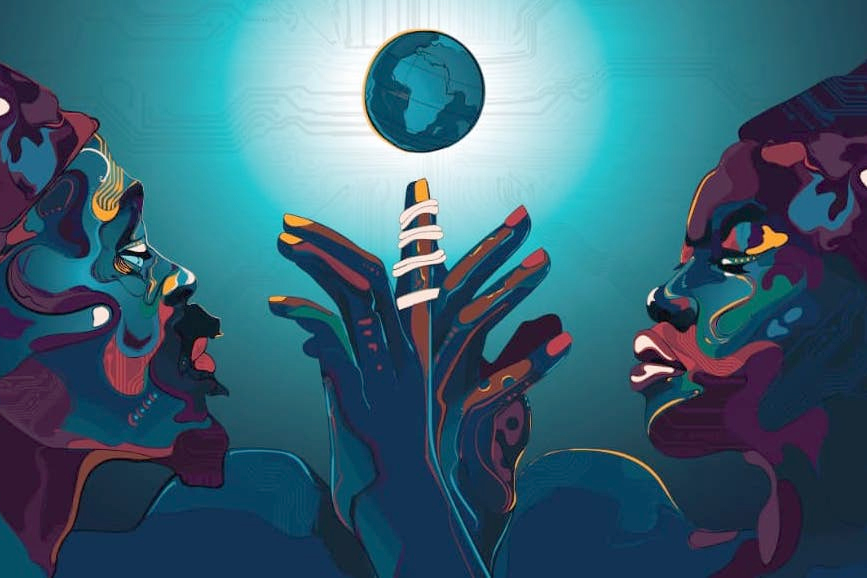
ITU organizes a World Telecommunication Development Conference (WTDC) every four years to further telecommunication development. At a time when access to digital technologies has never mattered more, WTDC is a unique opportunity to develop innovative approaches and new models of collaboration for connectivity and digital solutions towards the achievement of the SDGs. The conference takes place this year in Kigali, Rwanda, from 6 to 16 June. In parallel, launching on 6 June, the Global Connectivity Report 2022 takes stock and charts a path to universal and meaningful connectivity.
The ageing of the global population will be the defining demographic trend of the 21st century—yet our societies struggle to see the opportunities that this trend can unfold. Telecommunications and information communication technologies (ICTs) have a role to play in achieving healthier ageing, but also in helping people build smarter cities, combat age-based discrimination at the workplace, ensure financial inclusion of older persons, and support millions of caregivers across the world. ITU celebrates World Telecommunication and Information Society Day every 17 May.

Our societies now struggle to see the opportunities the ageing of the global population can unfold. Telecommunications and information communication technologies (ICTs) have a role to play in achieving healthier ageing. Supporting a life of healthy ageing is also critical for the sustainability of economic and health systems. This year’s World Telecommunications and Information Society Day seeks to raise awareness of the important role of ICTs in supporting people to stay healthy, connected and independent - physically, emotionally and financially.

Policymakers and leading experts will examine how science, technology and innovation can help the world recover better from the COVID-19 pandemic at the UN Commission on Science and Technology for Development from 28 March to 1 April.
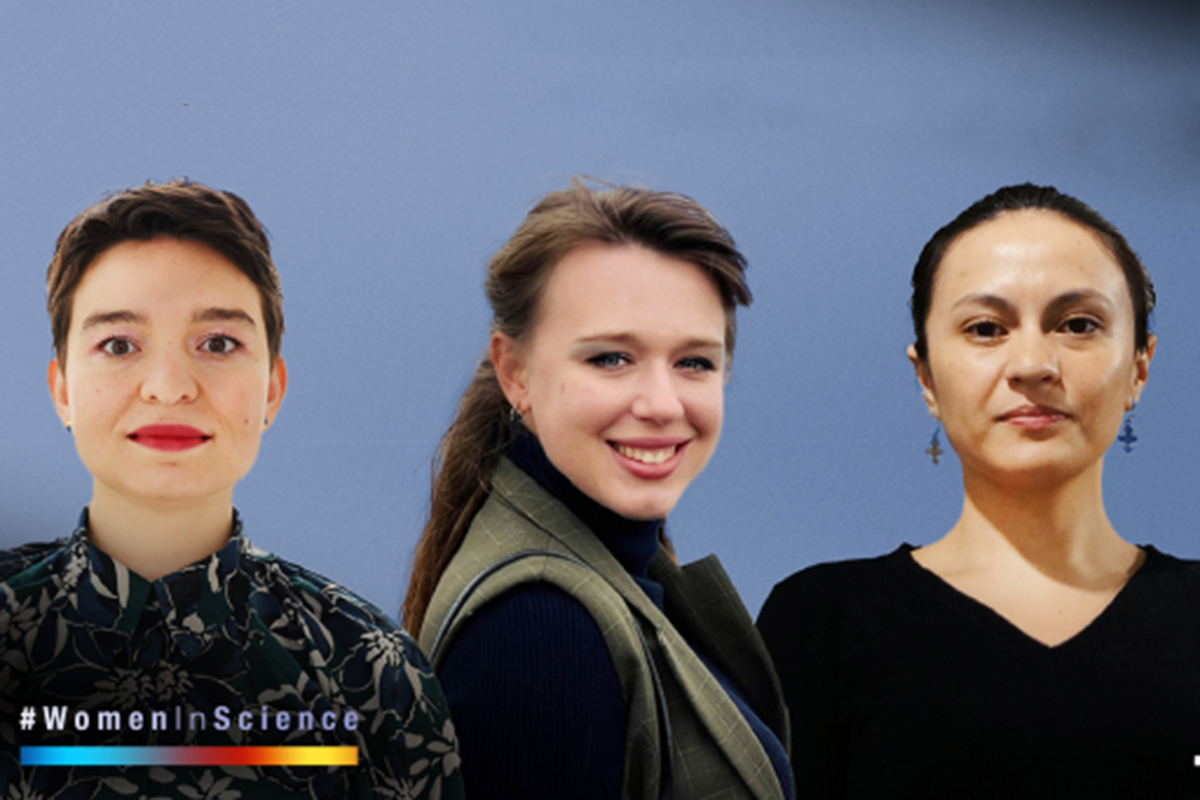
The Marie Sklodowska-Curie Fellowship Programme, is an IAEA initiative to help women who have completed nuclear science education to develop and expand their career opportunities.

Artificial intelligence plays a role in billions of people’s lives. Sometimes unnoticed but often with profound consequences, it transforms our societies and challenges what it means to be human.

Tech for COVID-19 and future outbreaks
The COVID-19 pandemic has exposed significant areas of inequality and exclusion in the digital world, particularly for populations at risk. The International Telecommunication Union (ITU) has published guidelines on how to ensure that digital information, services and products are accessible by all people, including persons with disabilities, during the pandemic. New and emerging technologies that leverage big data and artificial intelligence (AI) offer new ways of responding to and recovering from the pandemic.