
During these uncertain times many have rekindled an appreciation for what some take for granted and many go without: food. For this World Food Day, it is important to support our food heroes - farmers and food system workers. Global solidarity is key for making food systems more resilient and robust to help all populations, especially the most vulnerable, to recover from the crisis. Let’s make delivering affordable and healthy diets for all, and decent livelihoods for food system workers, a priority. Join the celebration on 16 October 8:00 a.m. EDT and check the FAO website to learn more.
Agriculture and Food
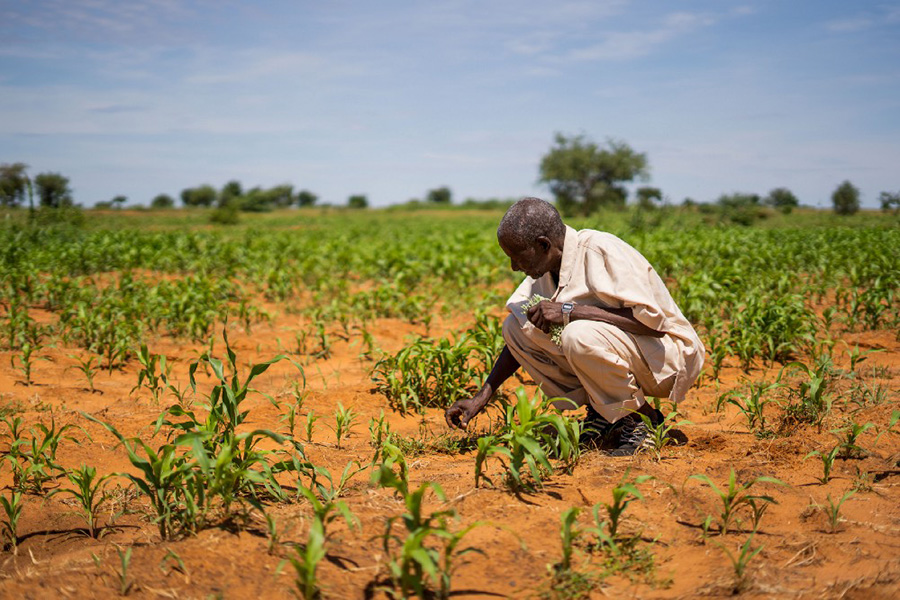
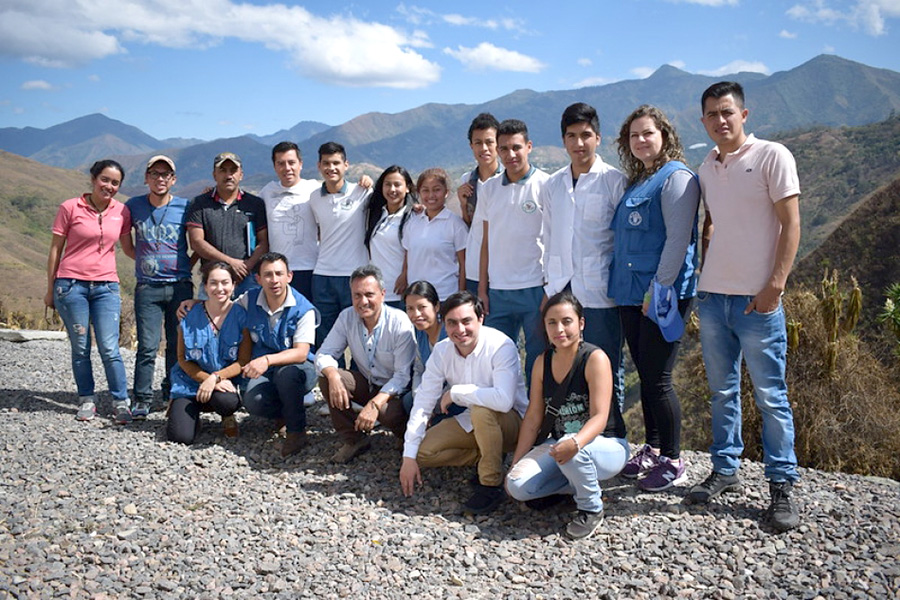
An FAO-led project brought together 30 students and their parents, members of the Asoprocaffe coffee association, with an association of coffee producers, to address coffee farming methods. As students learn about the cultivation process, they question the effects of changes in climate and frequent droughts. Together, they developed the 'Smart Agro' project to counter the effects of climate change and promote the efficient use of water through Big Data and the Internet of Things.
Within the project «Improving the capacities of integrated surveillance and response to food safety emergencies in Senegal and Burkina Faso» funded by the Grand Duchy of Luxembourg and implemented by FAO since 2018,

Hunger is often associated with developing countries, but food insecurity is also present in higher income countries, including the richest country in the world, the United States.
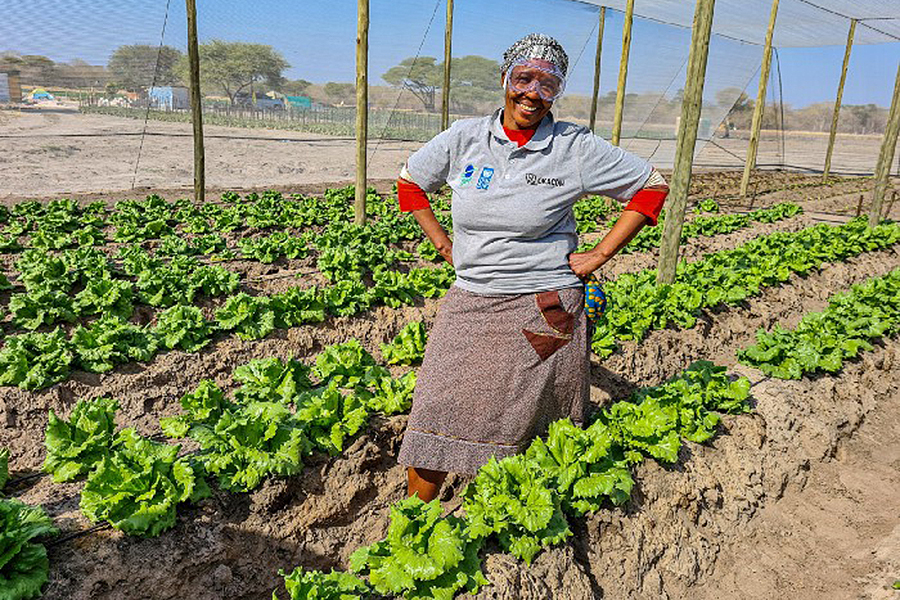
Fresh, local food in Botswana: “We are ready to meet this demand.”
The world is full of food heroes – from farmers to drivers, shop assistants, food bank or government representatives – who despite various challenges, such as the current COVID-19 pandemic, work hard to make sure that food makes its way from farms to our table.
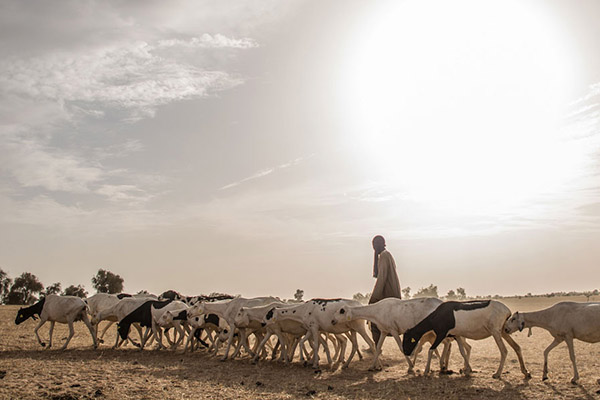
A family of livestock herders seasonally move their herds from one place to another, along with some 800,000 herders in Senegal and millions of others throughout the Sahel. It is a months-long journey that pastoralist populations often take with several families. In recent years long periods of drought, growing insecurity in some countries of the Sahel and restrictions on the movements of herds and herders have seriously disrupted traditional herd management methods. A World Bank- supported project aims to protect pastoral systems by improving resource management and animal health, facilitating access to markets, diversifying sources of income for pastoral households and managing conflicts.
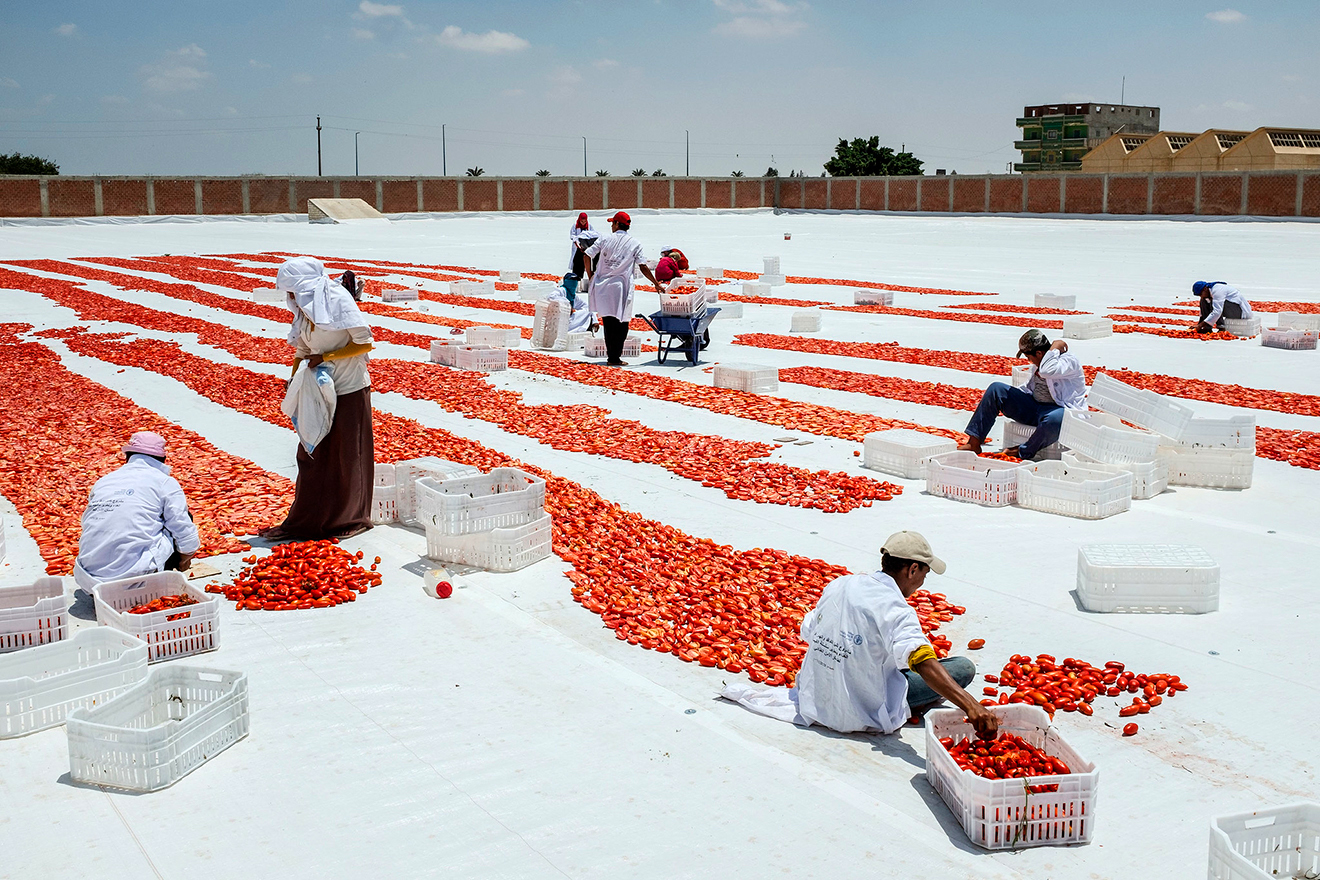
This year we celebrate the first International Day of Awareness of Food Loss and Waste thanks to FAO and UN Environment. It comes during the global COVID-19 pandemic, that has brought about a global wake-up on the need to transform and rebalance the way our food is produced and consumed. In a world where the number of people affected by hunger has been on the rise, tons of edible food are lost and/or wasted every day. Food loss and waste also depletes the natural resource base and generates greenhouse gases. Stop food loss and waste. For the people. For the planet.
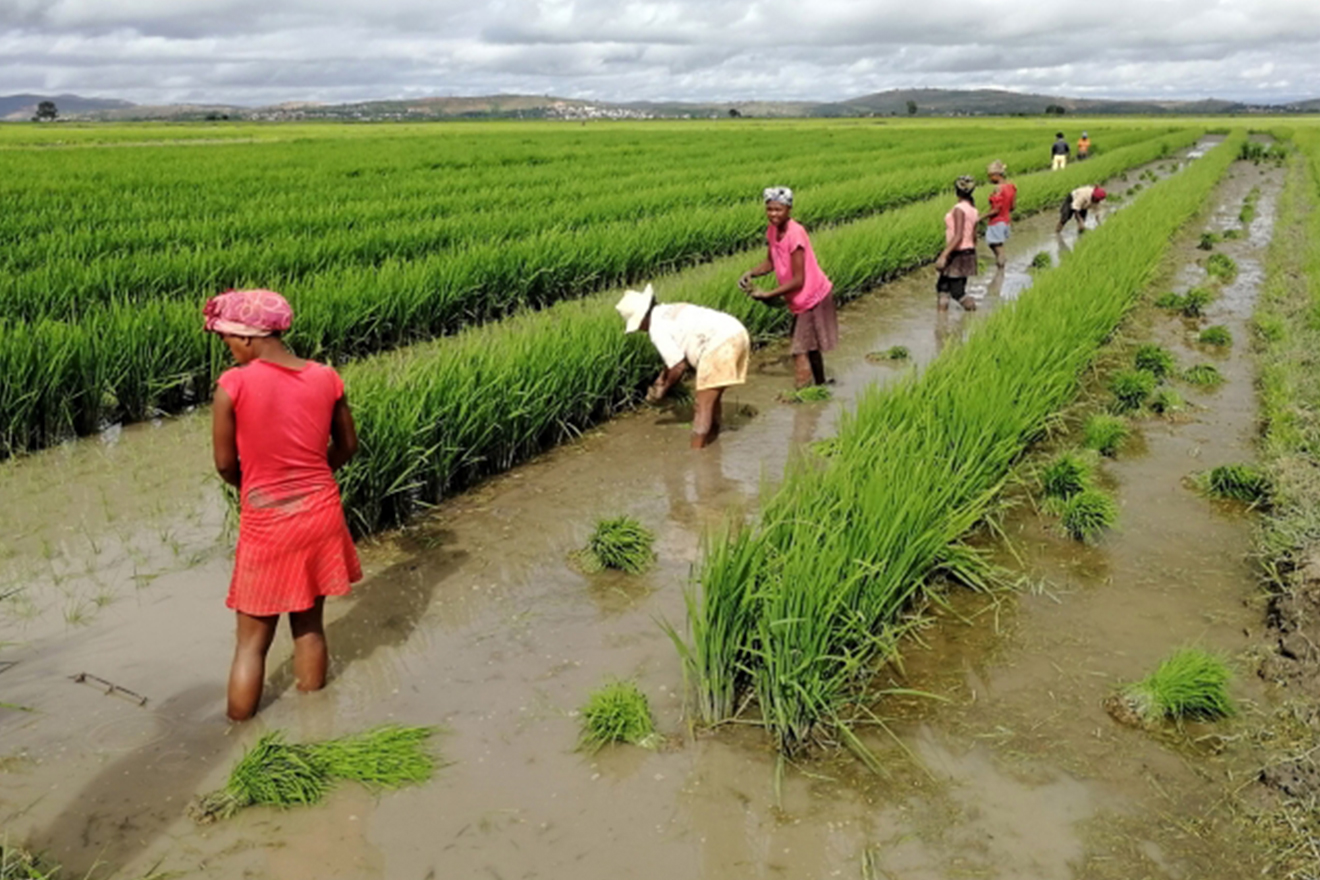
A higher-yield rice variety moves Madagascar further on the path to self-sufficiency
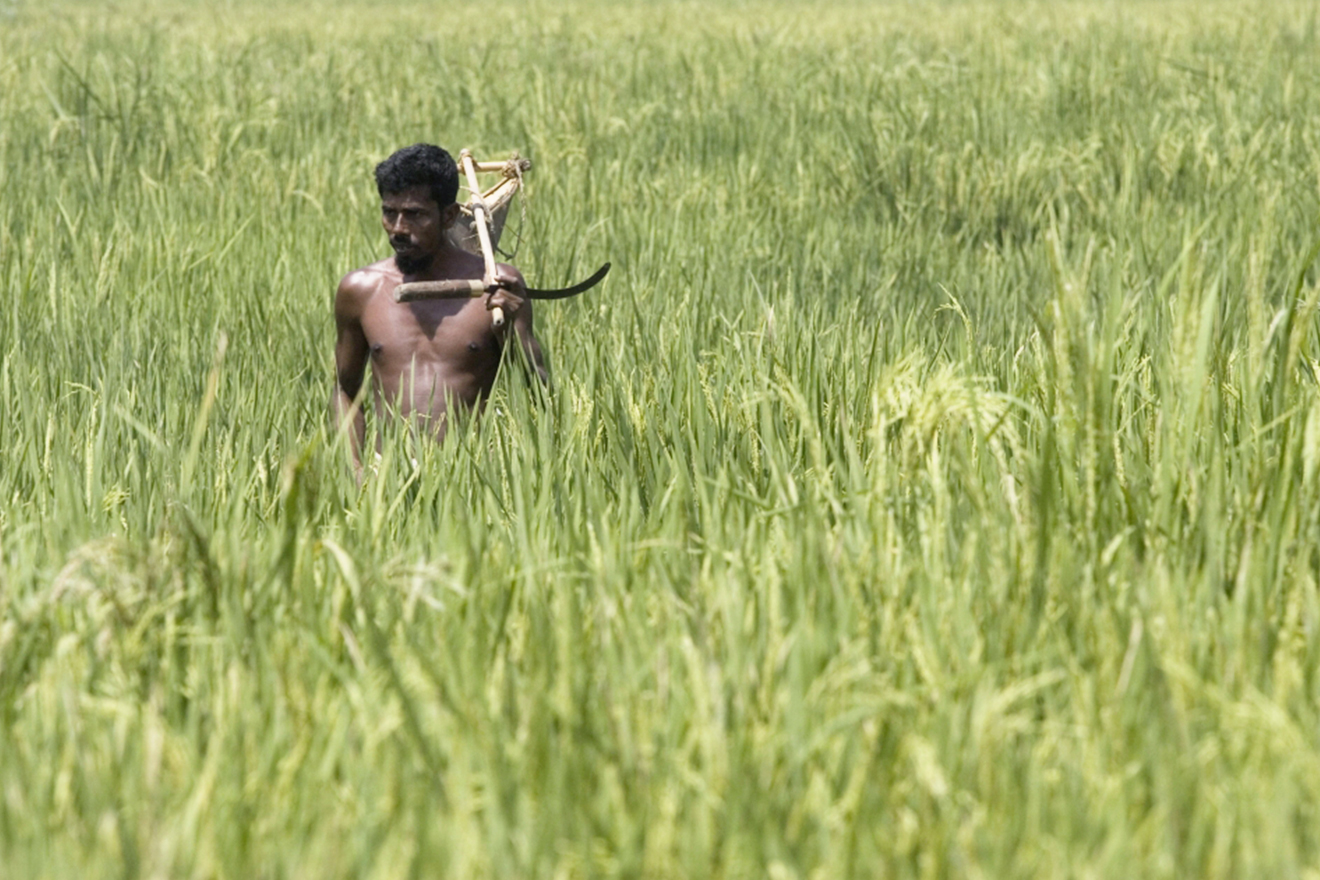
Fuel not Fire: from burning crop waste to bioenergy - Finding sustainable uses for crop waste in India and worldwide
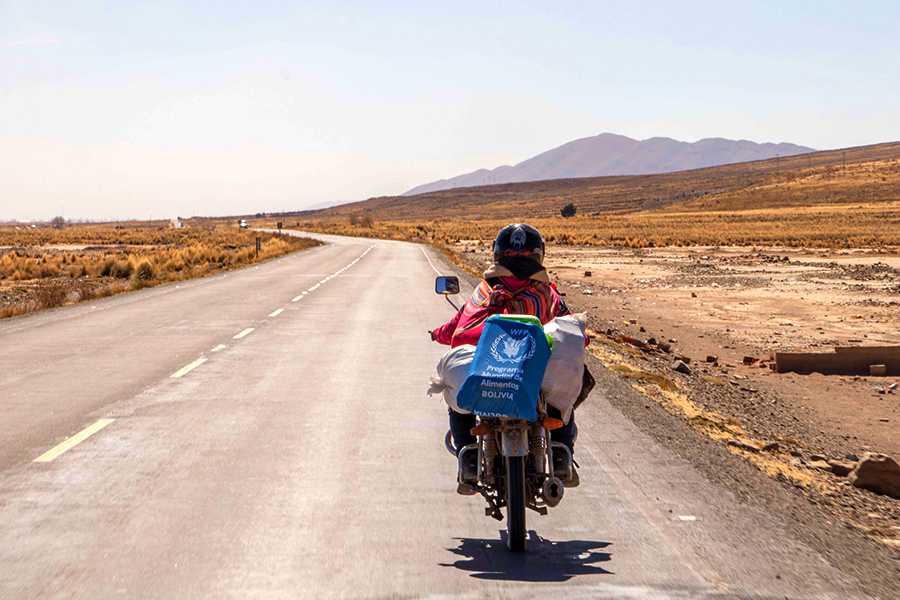
Conquerors, climate change and coronavirus
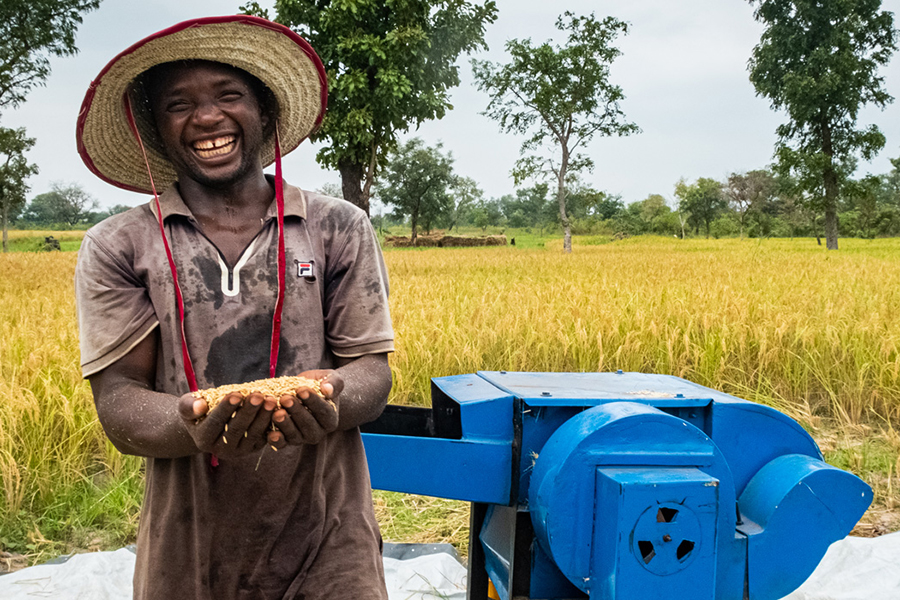
Sumaka Japhet is a young rice seed cultivator and agricultural entrepreneur. In 2017, after finishing university, he heard about and joined the IFAD-supported project that gave him a start-up kit containing fertilizer, herbicides and pesticides, as well as quality, certified seed – and those few items forever changed the way he cultivated rice. He also received technical support and training on rice seed production. Each growing season, he sold the seed and invested his earnings into the next.
While the world has enough water, it’s often not in the right places, at the right time. Ethiopia has long been associated with droughts and famines, but climate change has made them more devastating for small scale rural farmers.
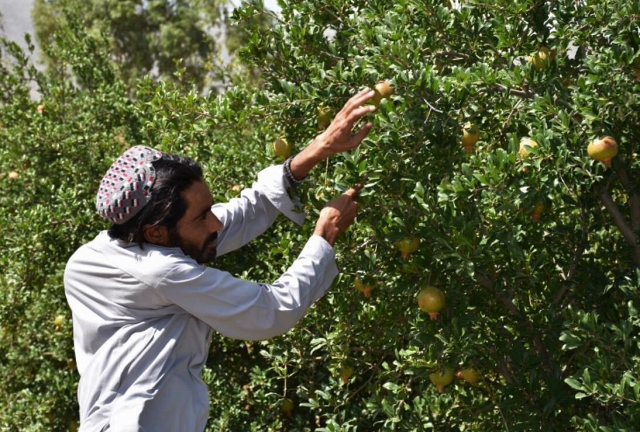
Umer, a farmer from northern Pakistan, has never let his disability hold him back from starting his own farming business and providing for his family. Born with a physical impairment, Umer has consistently challenged the negative attitudes and stereotypes linked to disability, and he has never let any physical or societal constraint become a barrier to achieving his goals. Taking every opportunity to learn, he worked hard as a farmer and an orchardist and now his income provides a good quality of life for his whole family. “I do not see my disability as an obstacle. But it took me some time to realise my strengths and to start pursuing my dreams” says Umer.