
As climate change affects the distribution and availability of food, edible insects are a potential growth area, particularly as consumer demand rises. Insects are an essential food source for at least 2 billion people and given the low input costs and space required, even the poorest people in developing countries can collect, rear, process, sell, and eat insects. IFAD and the United States have partnered to help small-scale farmers in developing countries further reduce emissions while adapting to climate change.
Agriculture and Food
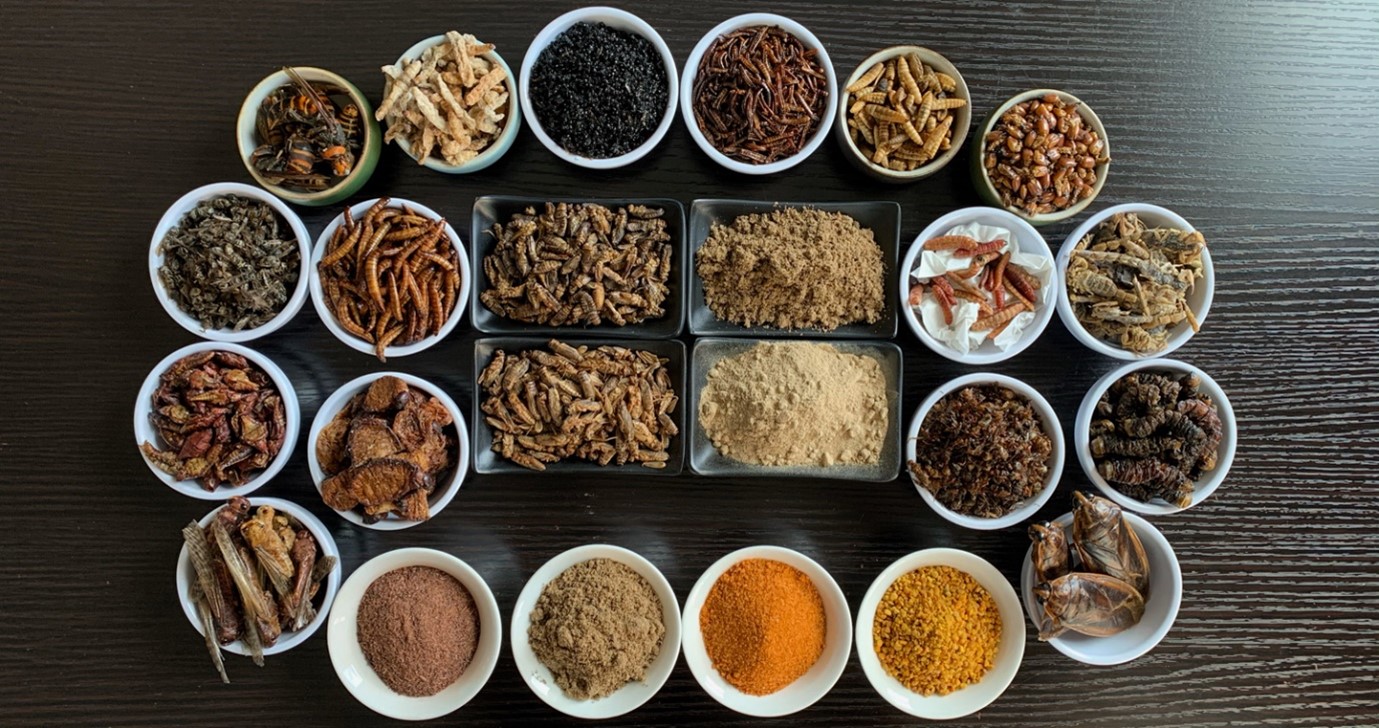
Why insects are the next global superfood
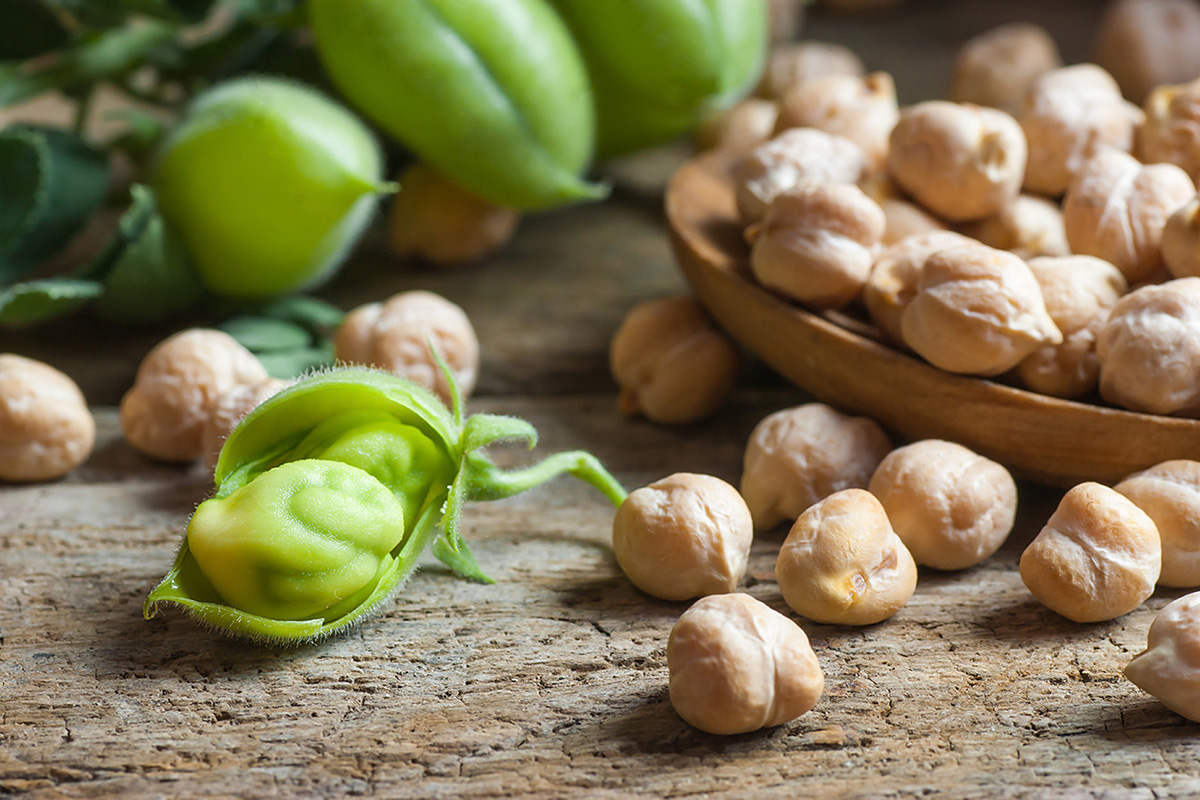
Cultivated for food and feed, pulses are magical. They are nutritious and delicious, but there is even more. They are powerful against climate change, providing farmers a breath of relief in water-scarce environments, as they have a low water footprint and can better tolerate drought. Besides, the global pulses industry is a positive driver in ensuring the resilience of the supply chains, enabling consumers to access nutritious foods, and contributing to the sustainable use of natural resources. This World Pulses Day (10 February), let’s celebrate their contributions.
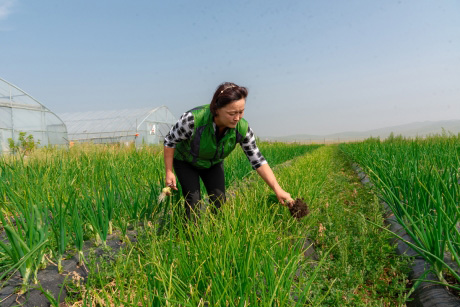
Mongolia’s extreme climate bring with it many challenges – and Lkhagva Yondon’s family struggled to be self-sufficient until she decided to seek some help to break the cycle through an FAO programme.
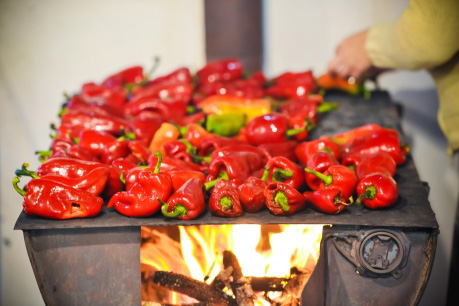
Food safety regulations, drawn up with the support of FAO, aim at bringing time-hallowed gastronomy – such as ajvar a gastronomic favourite in Serbia - up to date with modern food safety knowhow.
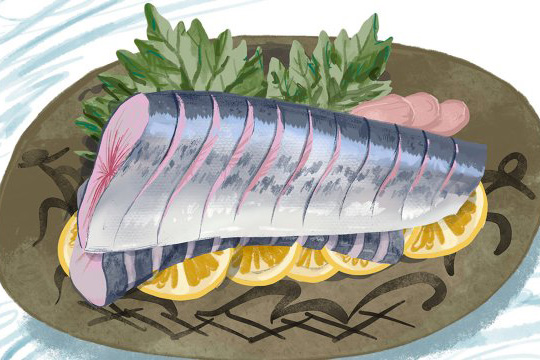
Fish provides more than 4.5 billion people around the world with a critical share of their daily protein requirements. FAO’s Fish: Know it, cook it, eat it helps you know, cook and eat fish.
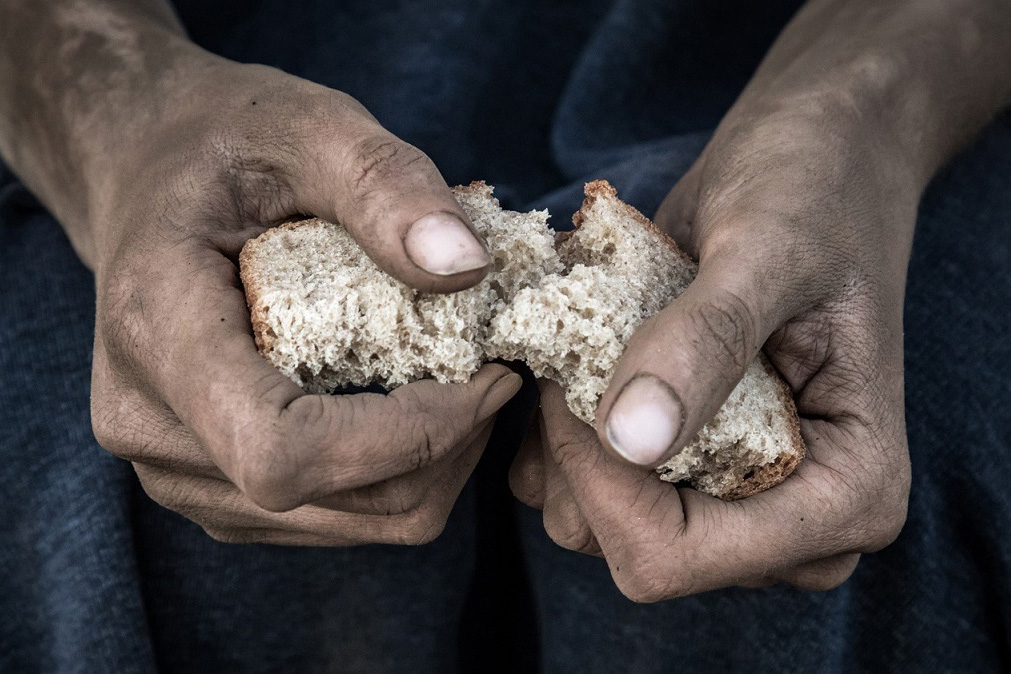
The current food crisis, triggered by COVID-19 and the war in Ukraine, is different, a new UNCTAD report says, because of a stronger US dollar - creating a ‘double burden’ for developing countries.
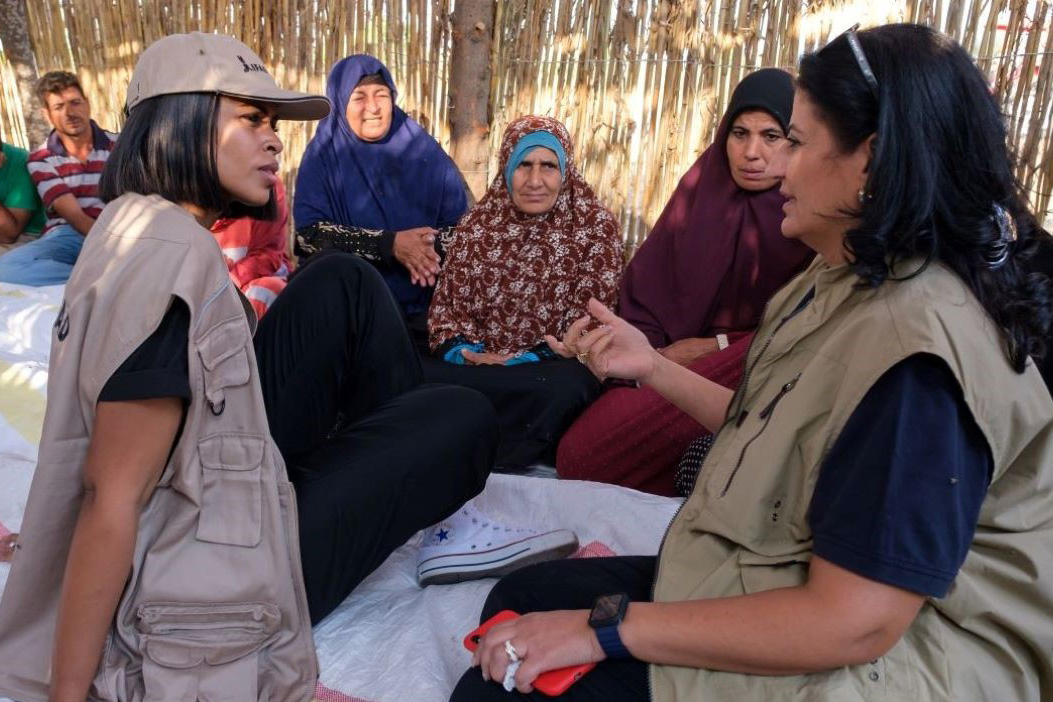
The land alongside the Nile has always been fertile, but sea levels rise as the earth’s temperatures rise, making this low-lying area one of the world’s three most vulnerable spots to climate change. It’s not just local people who are suffering the consequences. The Nile Delta is the breadbasket of Egypt, accounting for almost two thirds of the country's agricultural land and contributing to a fifth of the national GDP. Thanks to IFAD’s SAIL project, infrastructure, training and services are combined to not only protect the land, but also to improve the quality of previously infertile land.
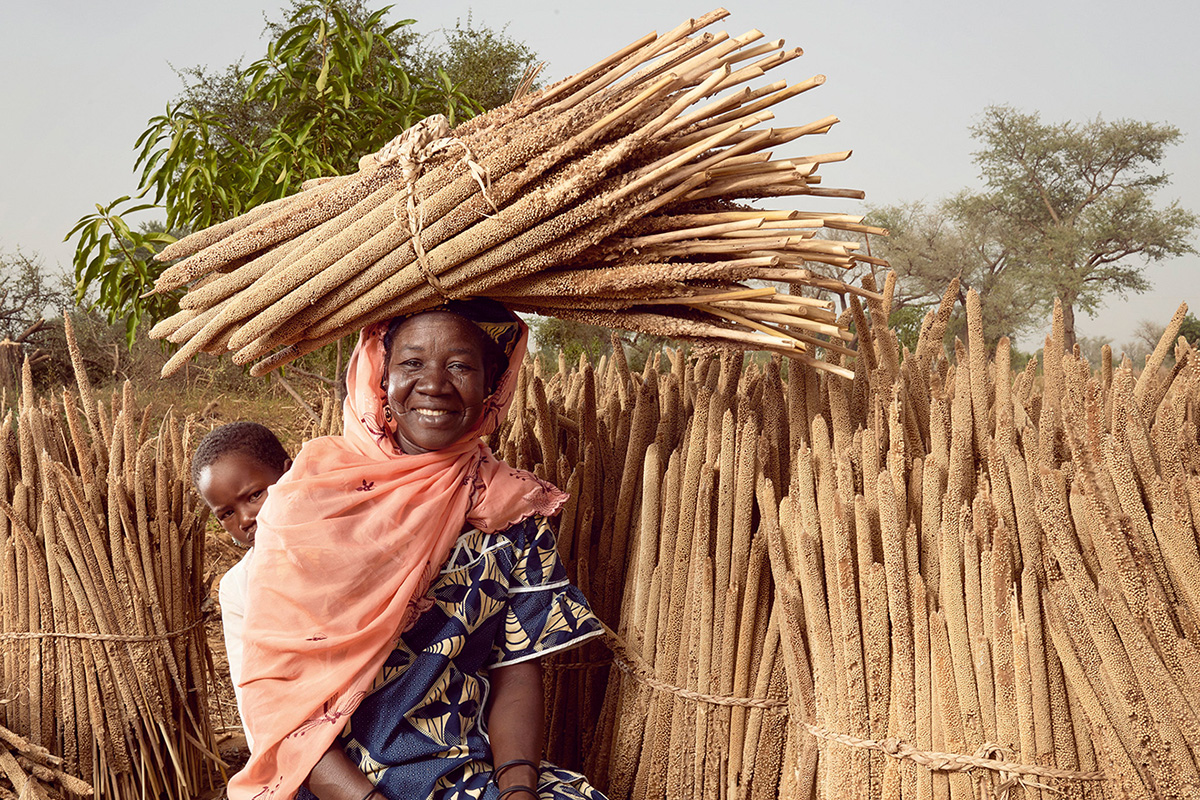
Millets can grow on arid lands with minimal inputs and are resilient to changes in climate. They are therefore an ideal solution towards self-sufficiency and to reduce reliance on imported cereal grains. The United Nations dedicates 2023 to greater efforts in producing millets given their nutritional properties and resilience in adapting to climate change. The International Year of Millets (#IYM2023) will also promote the sustainable production of millets, while highlighting their potential to provide new sustainable market opportunities for producers and consumers.
2022 has been a busy year for IFAD. Investing in the world's poorest rural people, the UN agency continues to help them adapt to climate change and deal with global shocks such as the war in Ukraine and the cost-of-living crisis. The UN agency looks back on some of the themes that defined a year of dramatic change. Find out more about IFAD’s year in review.

The holidays are a great time to celebrate and appreciate food. Yet, holidays can also bring over-eating and food waste. And food isn’t the only thing that is wasted when it goes uneaten: the money and labour that go into producing, harvesting, processing, transporting and preparing it are also wasted. Not to mention the pollution and greenhouse gases that are created for nothing. In 2019, FAO estimated that 14 percent of all food produced globally is lost, from post-harvest all the way up to but not including retail. Here are nine tips on how to avoid and reduce holiday food waste.
On top of the challenges that all smallholders face, farmers with disabilities also experience negative attitudes, stigma, discrimination, and a lack of accessibility. Climate change and other external shocks, such as the COVID-19 pandemic, tend to exacerbate these existing inequalities. IFAD is supporting farmers with disabilities - like Abu Koroma, Leonard Murani and Mariama Jalloh - to make a living from agriculture and build their resilience. This allows them to feed their families and sell the surplus. Watch the video to find out more.
More than just a textile, cotton is a culture and a way of life for hundreds of millions of households worldwide. Cotton creates jobs and incomes for millions at the heart of the supply chain. 80% of cotton is used in the apparel sector, but all parts of the cotton plant can be used to produce food, feed, and energy. Cotton's diverse uses create high-value opportunities for smallholders, women, and young people - boosting livelihoods and contributing to food security. Watch the video to find out how FAO and its partners help the cotton industry to thrive.
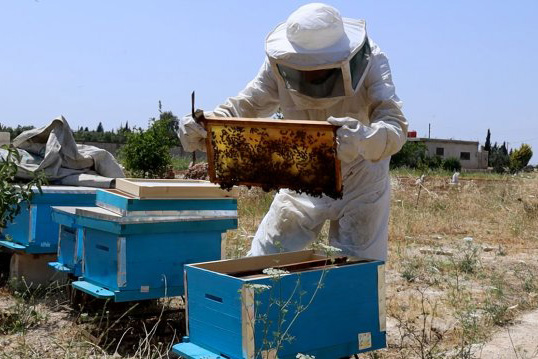
Maher Dallah is originally a woodworker, but he wasn’t a complete stranger to bees and hives. Before he went into the business, his grandfather taught him how to make traditional beehives from clay. Maher built on his carpentry skills with help from FAO’s programme entitled Nabta (the Arabic word for seedling. Through Nabta, FAO supports young people in their entrepreneurial initiatives in agriculture and agriculture-related sectors. Participants get general training on agriculture and business. Investing in youth is vital to ensure the future of Syria’s agricultural sector.

Soil nutrient loss is among the most critical problems for food security and sustainability all around the globe. If not managed sustainably, fertility is lost, and soils will produce nutrient-deficient plants. Over the last 70 years, nutrients in food have decreased, and 2 billion people worldwide suffer from a lack of micronutrients. World Soil Day 2022 (5 December) and its campaign “Soils: where food begins” seek to emphasize the current challenges in soil that could threaten our ecosystems and human well-being. Get the message across with the many initiatives and materials.
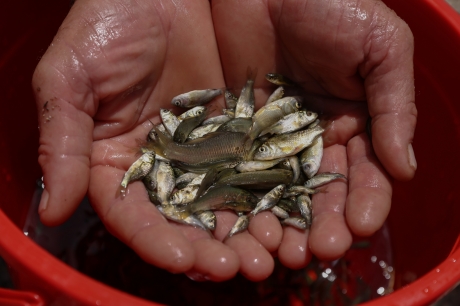
Carp was once the “King of Lake Shkodër”. Found in abundance in the largest inland body of water in the Balkan Peninsula, carp was a lifeline for fishers and their communities for generations. Lakeshore development, pollution, climate change and overfishing have taken a heavy toll on the lake’s biodiversity, including carp and other fish stocks, and that’s affected the lives and livelihoods of those who depend on them. Now around 420 fishers are taking part in an FAO initiative to improve sustainable fishing practices and rebuild breeding stocks by using aquaculture-based practices.